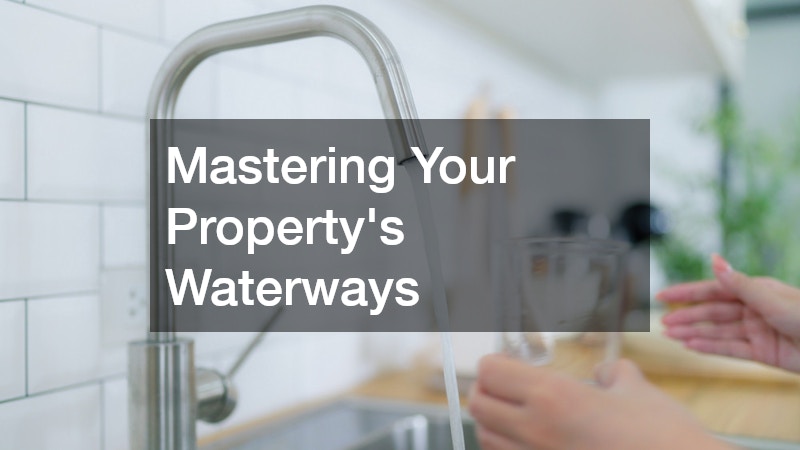
Water is the lifeblood of any property. It nourishes your gardens, sustains your household, and defines the health of your home’s foundation. However, water is also a powerful force that, when unmanaged, can lead to catastrophic structural damage, mold growth, and costly repairs. Managing your property’s waterways requires a holistic approach that bridges the gap between exterior drainage, interior plumbing, and the complex systems that deliver water to your tap.
This guide explores the intricate layers of property water management. By moving beyond a “break-fix” mentality and adopting a proactive stewardship mindset, you can protect your investment and ensure a safe, efficient environment for your family.
Mastering Exterior Surface Drainage
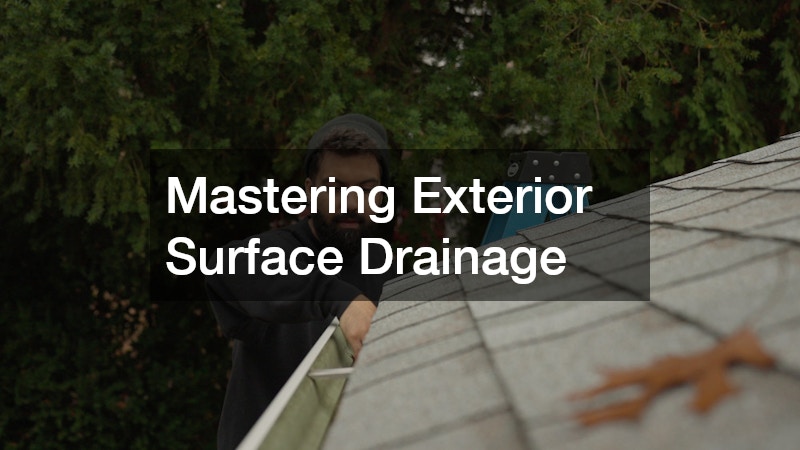
The first line of defense for any home is the management of surface water. When heavy rains hit, thousands of gallons of water fall onto your roof and lawn. If this water is not strategically diverted, it saturates the soil around your foundation, leading to hydrostatic pressure that can crack concrete walls or flood crawlspaces. This pressure is relentless; even a small hairline crack can become a conduit for gallons of water during a spring thaw or a summer downpour.
Grade Your Land to Divert Runoff
The most effective way to manage exterior water is through proper grading. Ideally, the ground should slope away from your home’s foundation at a rate of at least six inches for every ten feet. This ensures that gravity does the heavy lifting, pulling water toward the street or designated drainage areas rather than allowing it to pool near your walls. Beyond just the slope, consider the soil composition; heavy clay soils retain water longer and may require more aggressive drainage solutions than sandy soils.
- Install French Drains: For areas where grading alone isn’t enough, a French drain—a gravel-filled trench containing a perforated pipe—can redirect sub-surface water.
- Clear Your Gutters: Ensure downspouts extend at least five to ten feet away from the house to prevent basement seepage.
- Utilize Rain Gardens: These are intentional depressions planted with native vegetation that capture runoff and allow it to soak slowly into the ground.
- Integrate Permeable Pavers: Replace solid concrete walkways with porous materials that allow water to infiltrate the ground naturally rather than sheeting off toward your foundation.
By investing in professional landscaping services, you can ensure that the contours of your yard are working for you rather than against you. Coupled with consistent lawn care, such as aeration and proper turf management, you can create a permeable landscape that absorbs moisture effectively and prevents the erosion that often leads to drainage failures.
High-Efficiency Irrigation Management
Once you have managed how water leaves your property, you must look at how you apply it. Over-watering is one of the leading causes of plant disease and nutrient leaching, not to mention the unnecessary inflation of utility bills. Modern irrigation is no longer about just “spraying the grass”; it is about precision delivery that respects the local ecology and your property’s specific microclimates.
Automate Hydration Without Waste
Modern technology allows homeowners to be incredibly precise with their water usage. Instead of a “set it and forget it” timer, smart controllers now use local weather data to skip watering cycles when rain is in the forecast. These systems can be segmented into “zones,” allowing you to give your thirsty vegetable garden more attention than your drought-tolerant shrubs.
- Zone Your Vegetation: Group plants with similar water needs together so you don’t over-water a cactus to keep a rose bush happy.
- Check for Leaks Regularly: A single broken sprinkler head can waste thousands of gallons of water in a single season.
- Monitor Soil Moisture: Use manual probes to check if the soil is actually dry before turning on the taps.
- Calibrate Sprinkler Heads: Ensure that water is landing on the landscape and not creating unnecessary runoff on sidewalks and driveways.
The foundation of a healthy yard starts with a smart irrigation system design. This ensures that every drop is delivered directly to the root zone where it is needed most. For those who rely on independent water sources, scheduling periodic well water services is essential to ensure your pressure tanks and delivery lines are capable of meeting the demands of your landscape without straining the pump.
Protecting the Source: Private Well Maintenance

For homeowners not connected to municipal lines, the water well is the most critical piece of infrastructure on the property. Maintaining a well requires a deeper level of involvement, as you are essentially your own utility company. The quality of your water is directly tied to the mechanical health of your extraction system and the geological protection of the aquifer.
Ensure Deep-Vein Water Reliability
The health of your well depends on the integrity of the well cap and the surrounding environment. If the cap is cracked or the casing is compromised, surface bacteria and chemicals can seep into your drinking water. Underground shifts or changes in the water table can also affect how your system performs, making regular monitoring a non-negotiable part of rural or suburban property ownership.
- Annual Testing: At a minimum, test for coliform bacteria, nitrates, and any local contaminants of concern (like arsenic or lead).
- Maintain the Buffer Zone: Keep fertilizers, pesticides, and animal waste at least 100 feet away from the well head.
- Observe Pump Cycles: If you hear your pump clicking on and off frequently, it may indicate a pressure tank issue.
- Inspect the Sanitary Seal: Check the well cap for cracks or loose bolts that could allow insects or rodents to enter the casing.
If you notice a sudden drop in pressure or sputtering faucets, it often points to a failing water well pump. This is a technical repair that should be handled by experts to avoid contaminating the aquifer. Furthermore, if your property is prone to seasonal flooding, you may need to consult water mitigation services to protect the well head from being submerged, which could introduce dangerous pathogens into your home’s supply.
Optimizing Indoor Water Quality
Even if your water is biologically safe, its chemical composition can wreak havoc on your home. “Hard water”—water high in calcium and magnesium—acts like a slow-moving clog, depositing scale inside pipes, water heaters, and high-end appliances. Over time, these deposits restrict flow and can cause heating elements to burn out prematurely.
Neutralize Hard Water and Mineral Buildup
Scale buildup reduces the efficiency of your water heater, requiring more energy to heat the same amount of water. It also leaves spots on dishes and makes it difficult for soaps to lather, leading to “soap scum” on shower walls and itchy, dry skin for the inhabitants of the home. Treating your water at the source is much more effective than dealing with the downstream consequences.
- Install a Point-of-Entry System: Treating water as it enters the home protects every appliance, not just the kitchen tap.
- Flushing the Water Heater: Periodically drain your heater to remove the sediment that settles at the bottom.
- Test for pH Balance: Acidic water can corrode copper pipes, leading to “pinhole leaks” that are notoriously difficult to find.
- Replace Old Filters: Ensure that any carbon or sediment pre-filters are swapped out according to the manufacturer’s schedule to prevent flow restriction.
Integrating a high-quality water softener system into your plumbing stack is the most effective way to neutralize these minerals. By treating the water before it reaches your fixtures, you significantly extend the lifespan of your plumbing and reduce the need for aggressive chemical cleaners.
Proactive Plumbing and Leak Prevention
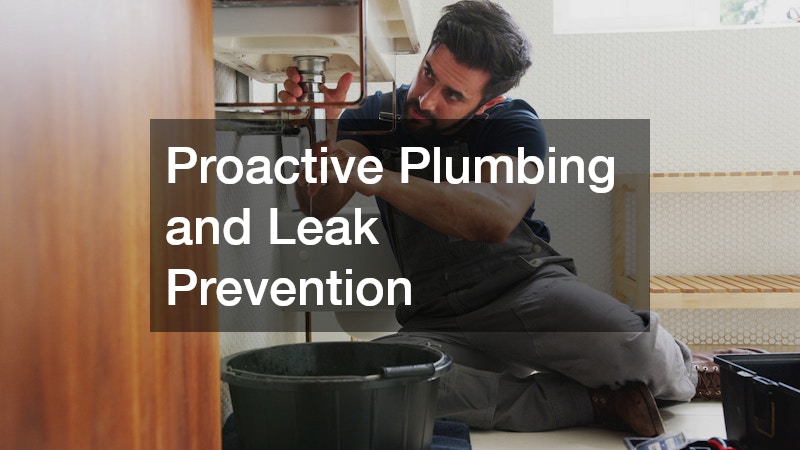
The interior waterways of your home are a complex web of pressurized lines and gravity-fed drains. Because much of this system is hidden behind drywall, small issues can escalate into major structural damage before they are ever seen. A tiny leak in a second-story bathroom can eventually lead to a ceiling collapse or a hidden mold colony that compromises the indoor air quality of the entire residence.
Stop Small Drips Before They Become Disasters
A proactive approach to plumbing involves regular visual inspections of every visible pipe and joint in the home. This includes checking under every sink, inspecting the laundry room valves, and looking for signs of moisture around the base of the water heater.
- Inspect Supply Lines: Replace plastic or rubber hoses on washing machines and toilets with braided stainless steel lines, which are much less likely to burst.
- Monitor Water Pressure: High pressure (over 80 psi) can stress joints and cause premature failure of appliances.
- Listen to Your Home: Banging noises (water hammer) or the sound of running water when nothing is turned on are red flags.
- Check the Sump Pump: Test the backup battery and the discharge line to ensure that water can actually leave the basin during a power outage.
Simple tasks, such as performing routine toilet repairs like replacing a worn-out flapper, can save hundreds of dollars in “ghost flushing” water waste. Being vigilant about these small fixes prevents the need for emergency interventions. However, if you do experience a significant leak, knowing where your main shut-off valve is located can be the difference between a damp carpet and a total loss of the floor.
Strategic Upgrades for Water Efficiency
As fixtures age, they become less efficient and more prone to failure. Remodeling isn’t just about aesthetics; it’s an opportunity to re-engineer your home’s water footprint. Modern fixtures use significantly less water while providing the same, or better, user experience through advanced aeration and flow management.
Modernize High-Traffic Wet Zones
Kitchens and bathrooms are the “engine rooms” of your home’s water system. Upgrading these spaces allows you to implement the latest in water-saving technology, such as touchless faucets and high-efficiency dual-flush toilets. These upgrades are particularly important in regions where water rates are rising or where local droughts necessitate strict conservation.
- Switch to PEX: During a renovation, consider replacing old galvanized or copper pipes with PEX, which is resistant to scale and freeze-bursting.
- Install Leak Sensors: Modern smart home systems include small sensors that can be placed under sinks to alert your phone the moment moisture is detected.
- Insulate Hot Water Lines: This reduces “wait time” at the tap, preventing gallons of water from being wasted down the drain while waiting for it to get warm.
- Upgrade to Low-Flow Showerheads: Use modern designs that increase pressure while decreasing the volume of water used per minute.
When embarking on a bathroom remodeling project, focus on the “bones” of the room—the waterproofing and the drainage—before choosing the tile. Similarly, a kitchen remodeling effort is the perfect time to upgrade to an energy-star dishwasher and a high-performance filtration system. These upgrades pay for themselves over time through reduced utility costs and increased home value.
Seasonal Maintenance Checklists
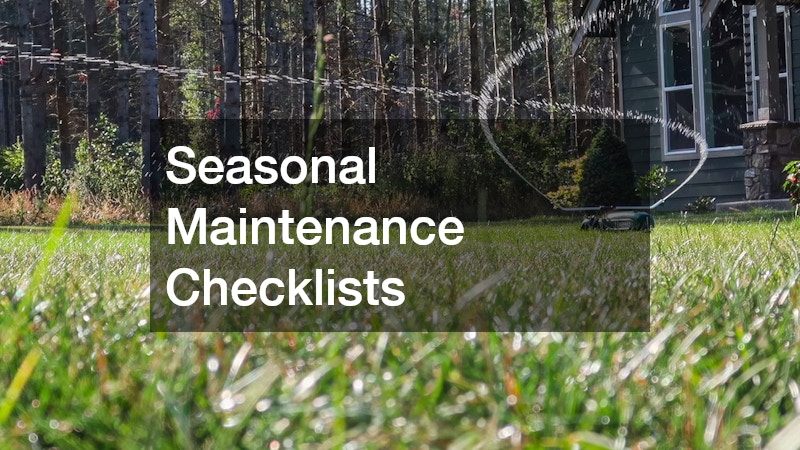
Consistency is the secret to successful property management. Water issues are often seasonal, so your maintenance routine should adapt to the rhythm of the year. A home in the Northeast faces different challenges (frozen pipes) than a home in the Southwest (evaporation and soil shrinkage), but the need for a schedule remains universal.
Winterizing and Spring Preparation
- Spring: Check the sump pump by pouring a bucket of water into the pit to ensure the float switch triggers the pump. Clear all debris from exterior drains.
- Summer: Monitor the health of your lawn; deep, infrequent watering is better for root health than shallow daily mists.
- Fall: Disconnect garden hoses. A connected hose can trap water in the faucet, leading to a burst pipe inside the wall during the first freeze.
- Winter: If you have a vacation home or a guest wing that goes unused, keep the heat at a minimum of 55°F to prevent pipes from freezing.
- Year-Round: Check your water meter before and after a two-hour period where no water is used; if the number changes, you have a hidden leak.
Maintaining the waterways of your property is a continuous journey of observation and action. From the way the land is graded to the efficiency of the fixtures in your master suite, every component plays a role in the overall health of your home. By understanding how these systems interact—and by addressing small issues before they become systemic failures—you ensure that your property remains a dry, safe, and efficient sanctuary.
Effective water management is one of the most rewarding investments a homeowner can make. It preserves the environment, protects your wallet, and provides the peace of mind that comes from knowing your home’s most vital infrastructure is built to last. Take the time today to walk your property, look at your pipes, and listen to your pump; your home will thank you for years to come.