The journey of homeownership is often described as a marathon rather than a sprint. From the moment you receive the keys to the day you decide to pass them on to the next owner, a house is a living entity that requires constant attention, refinement, and care. While many homeowners focus on the immediate joy of decorating or the occasional emergency repair, the most successful property owners take a holistic approach. This involves understanding the synergy between structural integrity, interior comfort, and the long-term value of the land itself. Managing a home effectively requires a blend of foresight, technical knowledge, and the willingness to invest in quality craftsmanship when it matters most.
Establishing a Foundation for Long-Term Structural Health
The longevity of any residential structure begins with the integrity of its shell and the systems hidden behind its walls. Too often, we overlook the vital infrastructure that keeps a household running smoothly until a failure occurs. A proactive stance on structural health means regular assessments of the foundation, the roofing system, and the internal framing. When homeowners ignore small cracks or minor leaks, they are essentially inviting much larger, more expensive problems to take root. High-quality construction and consistent monitoring are the only true defenses against the natural wear and tear caused by time and environmental elements.
When you are looking to expand your living space or build from scratch, working with local custom home builders ensures that the specific climate needs and soil conditions of your region are taken into account during the design phase. Beyond the initial build, maintaining the mechanical heart of the home is equally critical. For those living in colder climates, ensuring the reliability of your furnace and fuel supply is a non-negotiable part of winter preparation. Reliable home heating oil delivery services provide the peace of mind needed to weather the harshest seasons without the fear of a system shutdown during a freeze.
Maximizing Structural Efficiency Through Advanced Engineering
Modern architectural standards have shifted toward a deep focus on building science and the thermal envelope. The efficiency of a home is no longer determined solely by its insulation thickness, but by the continuity of its air barrier and the elimination of thermal bridging. When structural members conduct heat at a different rate than the surrounding insulation, it creates cold spots that lead to condensation and eventual mold growth within wall cavities. To combat this, engineers now advocate for continuous exterior insulation and advanced framing techniques that reduce the amount of lumber used without compromising the structural integrity of the load-bearing walls. This approach allows for more insulation within the bays and a more uniform temperature across the interior surface of the drywall, significantly reducing the energy required for climate control.
Furthermore, the integration of smart building materials is transforming how we view the “skin” of a residence. High-performance vapor-permeable membranes allow moisture trapped inside the wall to escape while preventing liquid water and wind from entering. This breathability is essential for preventing the rot of wood members and the corrosion of steel fasteners. In regions prone to extreme weather, the choice of sheathing and the method of its attachment can dictate the home’s ability to withstand high wind loads and seismic shifts. By prioritizing these invisible technical details during the construction or renovation phase, a property owner ensures that the aesthetic upgrades performed later are built upon a foundation that is physically capable of lasting for a century.
Navigating the Complexities of Interior Modernization
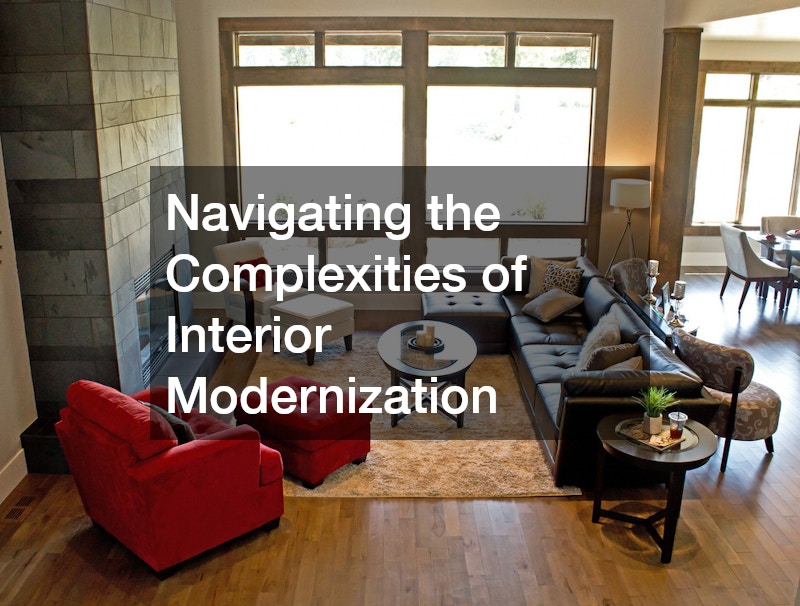
As lifestyles evolve, the interior layout of a home often needs to change to reflect new priorities, such as remote work, multigenerational living, or a desire for open-concept entertaining. Modernization is not just about aesthetics; it is about improving the flow and functionality of every square foot. This process often involves updating outdated floor plans, improving insulation for energy efficiency, and integrating smart home technology that simplifies daily routines. A well-planned interior update can breathe new life into an aging property, making it feel current and personalized to the owner’s unique tastes.
Engaging in professional home renovations allows homeowners to tackle large-scale changes with a cohesive plan rather than a piecemeal approach that can lead to clashing styles. Successful projects require a high level of coordination between various trades, from electricians to flooring specialists. Finding reputable home contractors who prioritize communication and timeline management is essential for minimizing the stress that typically accompanies a major construction project inside the home. By focusing on quality materials and timeless design choices, you ensure that your interior updates remain relevant and valuable for years to come.
The Evolution of Sustainable Landscaping and Soil Management
The outdoor environment surrounding a home serves as the first line of defense against drainage issues and soil erosion. Traditional landscaping often relied on high-maintenance lawns and non-native species that required excessive irrigation and chemical intervention. Current trends have moved toward xeriscaping and the use of indigenous plants that have evolved to thrive in the specific microclimate of the region. These plants typically have deeper root systems that help stabilize the soil and improve water infiltration, reducing the risk of basement flooding during heavy rain events. Effective grading is the most critical component of this system; the ground must slope away from the foundation at a minimum pitch of one inch per foot for the first six feet to ensure that hydrostatic pressure does not build up against the subterranean walls.
In addition to water management, the health of the local ecosystem is increasingly becoming a priority for suburban and urban homeowners alike. Creating pollinator gardens and utilizing permeable pavers for driveways and walkways allows for natural groundwater recharge. Permeable surfaces mitigate the “heat island” effect commonly found in densely populated areas, where asphalt and concrete soak up solar radiation and radiate it back into the atmosphere long after sunset. By selecting materials that allow the earth to breathe and water to pass through, homeowners can create an outdoor living space that is not only visually appealing but also contributes to the overall cooling of the property and the health of the local watershed.
Optimizing the Kitchen for Performance and Style
The kitchen is frequently cited as the most important room in the house, acting as a hub for meal preparation, family gatherings, and social interaction. Because it sees the highest amount of daily traffic and utility usage, it is also the room that tends to show wear and tear the fastest. A high-performance kitchen balances ergonomic design with high-end appliances and durable surfaces. Modern kitchen design focuses on “work triangles” that minimize movement between the sink, stove, and refrigerator, while also providing ample storage solutions to keep the space clutter-free and inviting.
When the time comes to refresh this vital space, consulting with a specialized kitchen remodeler can help you maximize every inch of available space through custom cabinetry and innovative pantry solutions. Beyond the cabinetry, the plumbing infrastructure within the kitchen and throughout the house must be kept in top condition. Scheduling a comprehensive plumbing inspection can reveal hidden leaks or slow-moving drains before they cause water damage to your new kitchen investments. These preventative measures protect both the beauty and the functionality of your home’s most essential interior space.
Maximizing Structural Efficiency Through Advanced Engineering
Modern architectural standards have shifted toward a deep focus on building science and the thermal envelope. The efficiency of a home is no longer determined solely by its insulation thickness, but by the continuity of its air barrier and the elimination of thermal bridging. When structural members conduct heat at a different rate than the surrounding insulation, it creates cold spots that lead to condensation and eventual mold growth within wall cavities. To combat this, engineers now advocate for continuous exterior insulation and advanced framing techniques that reduce the amount of lumber used without compromising the structural integrity of the load-bearing walls. This approach allows for more insulation within the bays and a more uniform temperature across the interior surface of the drywall, significantly reducing the energy required for climate control.
Furthermore, the integration of smart building materials is transforming how we view the “skin” of a residence. High-performance vapor-permeable membranes allow moisture trapped inside the wall to escape while preventing liquid water and wind from entering. This breathability is essential for preventing the rot of wood members and the corrosion of steel fasteners. In regions prone to extreme weather, the choice of sheathing and the method of its attachment can dictate the home’s ability to withstand high wind loads and seismic shifts. By prioritizing these invisible technical details during the construction or renovation phase, a property owner ensures that the aesthetic upgrades performed later are built upon a foundation that is physically capable of lasting for a century.
The Evolution of Sustainable Landscaping and Soil Management
The outdoor environment surrounding a home serves as the first line of defense against drainage issues and soil erosion. Traditional landscaping often relied on high-maintenance lawns and non-native species that required excessive irrigation and chemical intervention. Current trends have moved toward xeriscaping and the use of indigenous plants that have evolved to thrive in the specific microclimate of the region. These plants typically have deeper root systems that help stabilize the soil and improve water infiltration, reducing the risk of basement flooding during heavy rain events. Effective grading is the most critical component of this system; the ground must slope away from the foundation at a minimum pitch of one inch per foot for the first six feet to ensure that hydrostatic pressure does not build up against the subterranean walls.
In addition to water management, the health of the local ecosystem is increasingly becoming a priority for suburban and urban homeowners alike. Creating pollinator gardens and utilizing permeable pavers for driveways and walkways allows for natural groundwater recharge. Permeable surfaces mitigate the “heat island” effect commonly found in densely populated areas, where asphalt and concrete soak up solar radiation and radiate it back into the atmosphere long after sunset. By selecting materials that allow the earth to breathe and water to pass through, homeowners can create an outdoor living space that is not only visually appealing but also contributes to the overall cooling of the property and the health of the local watershed.
Interior Atmospheric Control and Air Quality Management
While often overlooked, the quality of the air inside a home is frequently lower than the air outside due to the off-gassing of volatile organic compounds (VOCs) from furniture, paints, and cleaning agents. In highly sealed, energy-efficient homes, the lack of natural air exchange can lead to a buildup of carbon dioxide and moisture. This has led to the widespread adoption of Energy Recovery Ventilators (ERVs) and Heat Recovery Ventilators (HRVs). These systems mechanically exchange stale indoor air with fresh outdoor air while transferring the thermal energy between the two streams, ensuring that the HVAC system does not have to work overtime to condition the incoming air.
Humidity control is another vital aspect of interior management, particularly in bathrooms and kitchens where steam is prevalent. High-capacity, low-sone ventilation fans equipped with humidity sensors can automatically activate to exhaust moist air before it has the chance to condense on cold surfaces. In the basement, industrial-grade dehumidifiers are often necessary to keep relative humidity below 50%, which is the threshold for dust mite activity and mold sporulation. By controlling the atmosphere at a granular level, residents can reduce the prevalence of respiratory issues and protect sensitive materials like hardwood flooring and musical instruments from the warping effects of fluctuating moisture levels.
Restoring and Maintaining High-Traffic Surfaces
In many older homes, the fixtures and surfaces carry a charm that is worth preserving, yet they often suffer from staining, chipping, or outdated colors. Replacing large items like bathtubs or wall tiles can be an incredibly invasive and expensive process involving demolition and complex plumbing work. Surface restoration offers a middle ground, allowing homeowners to update the look and feel of their bathrooms and kitchens without the chaos of a full-out gut renovation. This approach is not only more sustainable but also allows for a quicker turnaround time, returning the home to full functionality in a matter of days.
If you are dealing with an unsightly or worn-out tub, hiring a professional bathtub reglazing company can provide a glass-like finish that makes the fixture look brand new at a fraction of the replacement cost. However, the exterior of the home requires just as much surface-level attention as the interior. For those looking to maintain a pristine lawn without the constant need for watering, mowing, and fertilizing, a fake grass installation offers a durable and aesthetically pleasing alternative. This transition to synthetic turf can significantly reduce monthly maintenance chores while ensuring the property looks lush and green regardless of the weather conditions.
Protecting Your Property from Environmental Threats
A comprehensive home management strategy must also account for the biological threats that can compromise both the structure and the health of the inhabitants. Pests are more than just a nuisance; they can cause significant damage to wood framing, electrical wiring, and insulation. Furthermore, certain infestations can lead to allergic reactions or the spread of diseases. Effective pest management is not about reactive measures taken after a problem is discovered, but rather about creating a perimeter of defense that prevents intruders from entering the home in the first place.
Some infestations, however, are notoriously difficult to handle through DIY methods due to their resilience and ability to hide in tiny crevices. If you suspect an issue with resilient pests in your sleeping quarters, seeking a local bed bug removal service is the most effective way to ensure the problem is eradicated completely. For broader protection against a variety of insects and rodents throughout the year, a consistent exterminating service can provide scheduled treatments that adapt to the changing seasons. By keeping the property sealed and treated, you preserve the comfort of your living environment and the integrity of your investment.
Conclusion
Mastering the lifecycle of a home requires a balance between aesthetic vision and practical maintenance. By addressing everything from the foundation and mechanical systems to the fine details of interior finishes and pest prevention, you create a residence that is both beautiful and resilient. Investing in professional expertise for specialized tasks ensures that your home remains a safe, efficient, and valuable asset. Whether you are performing minor updates or embarking on a major overhaul, the key is to remain proactive, choosing quality over shortcuts every step of the way. With a dedicated approach to upkeep, your home will continue to provide comfort and security for many decades to come.
The journey of homeownership is often described as a marathon rather than a sprint. From the moment you receive the keys to the day you decide to pass them on to the next owner, a house is a living entity that requires constant attention, refinement, and care. While many homeowners focus on the immediate joy of decorating or the occasional emergency repair, the most successful property owners take a holistic approach. This involves understanding the synergy between structural integrity, interior comfort, and the long-term value of the land itself. Managing a home effectively requires a blend of foresight, technical knowledge, and the willingness to invest in quality craftsmanship when it matters most.
Establishing a Foundation for Long-Term Structural Health
The longevity of any residential structure begins with the integrity of its shell and the systems hidden behind its walls. Too often, we overlook the vital infrastructure that keeps a household running smoothly until a failure occurs. A proactive stance on structural health means regular assessments of the foundation, the roofing system, and the internal framing. When homeowners ignore small cracks or minor leaks, they are essentially inviting much larger, more expensive problems to take root. High-quality construction and consistent monitoring are the only true defenses against the natural wear and tear caused by time and environmental elements.
When you are looking to expand your living space or build from scratch, working with local custom home builders ensures that the specific climate needs and soil conditions of your region are taken into account during the design phase. Beyond the initial build, maintaining the mechanical heart of the home is equally critical. For those living in colder climates, ensuring the reliability of your furnace and fuel supply is a non-negotiable part of winter preparation. Reliable home heating oil delivery services provide the peace of mind needed to weather the harshest seasons without the fear of a system shutdown during a freeze.
Maximizing Structural Efficiency Through Advanced Engineering
Modern architectural standards have shifted toward a deep focus on building science and the thermal envelope. The efficiency of a home is no longer determined solely by its insulation thickness, but by the continuity of its air barrier and the elimination of thermal bridging. When structural members conduct heat at a different rate than the surrounding insulation, it creates cold spots that lead to condensation and eventual mold growth within wall cavities. To combat this, engineers now advocate for continuous exterior insulation and advanced framing techniques that reduce the amount of lumber used without compromising the structural integrity of the load-bearing walls. This approach allows for more insulation within the bays and a more uniform temperature across the interior surface of the drywall, significantly reducing the energy required for climate control.
Furthermore, the integration of smart building materials is transforming how we view the “skin” of a residence. High-performance vapor-permeable membranes allow moisture trapped inside the wall to escape while preventing liquid water and wind from entering. This breathability is essential for preventing the rot of wood members and the corrosion of steel fasteners. In regions prone to extreme weather, the choice of sheathing and the method of its attachment can dictate the home’s ability to withstand high wind loads and seismic shifts. By prioritizing these invisible technical details during the construction or renovation phase, a property owner ensures that the aesthetic upgrades performed later are built upon a foundation that is physically capable of lasting for a century.
Navigating the Complexities of Interior Modernization
As lifestyles evolve, the interior layout of a home often needs to change to reflect new priorities, such as remote work, multigenerational living, or a desire for open-concept entertaining. Modernization is not just about aesthetics; it is about improving the flow and functionality of every square foot. This process often involves updating outdated floor plans, improving insulation for energy efficiency, and integrating smart home technology that simplifies daily routines. A well-planned interior update can breathe new life into an aging property, making it feel current and personalized to the owner’s unique tastes.
Engaging in professional home renovations allows homeowners to tackle large-scale changes with a cohesive plan rather than a piecemeal approach that can lead to clashing styles. Successful projects require a high level of coordination between various trades, from electricians to flooring specialists. Finding reputable home contractors who prioritize communication and timeline management is essential for minimizing the stress that typically accompanies a major construction project inside the home. By focusing on quality materials and timeless design choices, you ensure that your interior updates remain relevant and valuable for years to come.
The Evolution of Sustainable Landscaping and Soil Management
The outdoor environment surrounding a home serves as the first line of defense against drainage issues and soil erosion. Traditional landscaping often relied on high-maintenance lawns and non-native species that required excessive irrigation and chemical intervention. Current trends have moved toward xeriscaping and the use of indigenous plants that have evolved to thrive in the specific microclimate of the region. These plants typically have deeper root systems that help stabilize the soil and improve water infiltration, reducing the risk of basement flooding during heavy rain events. Effective grading is the most critical component of this system; the ground must slope away from the foundation at a minimum pitch of one inch per foot for the first six feet to ensure that hydrostatic pressure does not build up against the subterranean walls.
In addition to water management, the health of the local ecosystem is increasingly becoming a priority for suburban and urban homeowners alike. Creating pollinator gardens and utilizing permeable pavers for driveways and walkways allows for natural groundwater recharge. Permeable surfaces mitigate the “heat island” effect commonly found in densely populated areas, where asphalt and concrete soak up solar radiation and radiate it back into the atmosphere long after sunset. By selecting materials that allow the earth to breathe and water to pass through, homeowners can create an outdoor living space that is not only visually appealing but also contributes to the overall cooling of the property and the health of the local watershed.
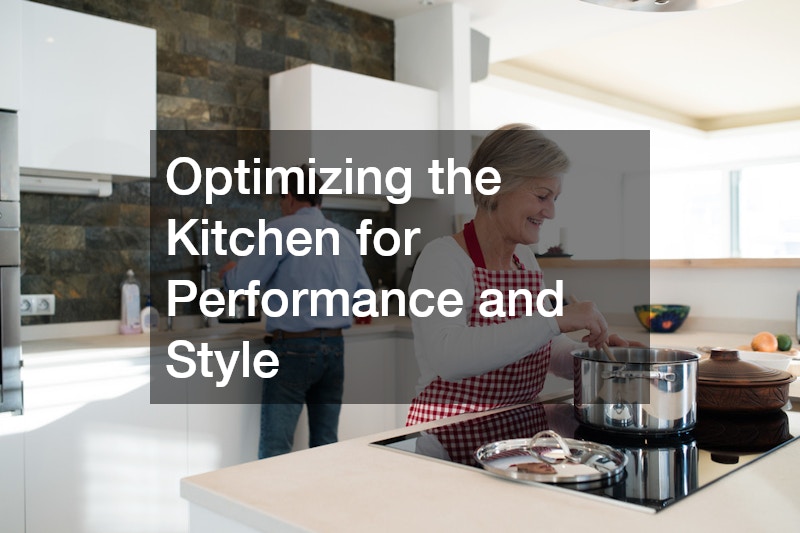
Optimizing the Kitchen for Performance and Style
The kitchen is frequently cited as the most important room in the house, acting as a hub for meal preparation, family gatherings, and social interaction. Because it sees the highest amount of daily traffic and utility usage, it is also the room that tends to show wear and tear the fastest. A high-performance kitchen balances ergonomic design with high-end appliances and durable surfaces. Modern kitchen design focuses on “work triangles” that minimize movement between the sink, stove, and refrigerator, while also providing ample storage solutions to keep the space clutter-free and inviting.
When the time comes to refresh this vital space, consulting with a specialized kitchen remodeler can help you maximize every inch of available space through custom cabinetry and innovative pantry solutions. Beyond the cabinetry, the plumbing infrastructure within the kitchen and throughout the house must be kept in top condition. Scheduling a comprehensive plumbing inspection can reveal hidden leaks or slow-moving drains before they cause water damage to your new kitchen investments. These preventative measures protect both the beauty and the functionality of your home’s most essential interior space.
Maximizing Structural Efficiency Through Advanced Engineering
Modern architectural standards have shifted toward a deep focus on building science and the thermal envelope. The efficiency of a home is no longer determined solely by its insulation thickness, but by the continuity of its air barrier and the elimination of thermal bridging. When structural members conduct heat at a different rate than the surrounding insulation, it creates cold spots that lead to condensation and eventual mold growth within wall cavities. To combat this, engineers now advocate for continuous exterior insulation and advanced framing techniques that reduce the amount of lumber used without compromising the structural integrity of the load-bearing walls. This approach allows for more insulation within the bays and a more uniform temperature across the interior surface of the drywall, significantly reducing the energy required for climate control.
Furthermore, the integration of smart building materials is transforming how we view the “skin” of a residence. High-performance vapor-permeable membranes allow moisture trapped inside the wall to escape while preventing liquid water and wind from entering. This breathability is essential for preventing the rot of wood members and the corrosion of steel fasteners. In regions prone to extreme weather, the choice of sheathing and the method of its attachment can dictate the home’s ability to withstand high wind loads and seismic shifts. By prioritizing these invisible technical details during the construction or renovation phase, a property owner ensures that the aesthetic upgrades performed later are built upon a foundation that is physically capable of lasting for a century.
The Evolution of Sustainable Landscaping and Soil Management
The outdoor environment surrounding a home serves as the first line of defense against drainage issues and soil erosion. Traditional landscaping often relied on high-maintenance lawns and non-native species that required excessive irrigation and chemical intervention. Current trends have moved toward xeriscaping and the use of indigenous plants that have evolved to thrive in the specific microclimate of the region. These plants typically have deeper root systems that help stabilize the soil and improve water infiltration, reducing the risk of basement flooding during heavy rain events. Effective grading is the most critical component of this system; the ground must slope away from the foundation at a minimum pitch of one inch per foot for the first six feet to ensure that hydrostatic pressure does not build up against the subterranean walls.
In addition to water management, the health of the local ecosystem is increasingly becoming a priority for suburban and urban homeowners alike. Creating pollinator gardens and utilizing permeable pavers for driveways and walkways allows for natural groundwater recharge. Permeable surfaces mitigate the “heat island” effect commonly found in densely populated areas, where asphalt and concrete soak up solar radiation and radiate it back into the atmosphere long after sunset. By selecting materials that allow the earth to breathe and water to pass through, homeowners can create an outdoor living space that is not only visually appealing but also contributes to the overall cooling of the property and the health of the local watershed.
Interior Atmospheric Control and Air Quality Management
While often overlooked, the quality of the air inside a home is frequently lower than the air outside due to the off-gassing of volatile organic compounds (VOCs) from furniture, paints, and cleaning agents. In highly sealed, energy-efficient homes, the lack of natural air exchange can lead to a buildup of carbon dioxide and moisture. This has led to the widespread adoption of Energy Recovery Ventilators (ERVs) and Heat Recovery Ventilators (HRVs). These systems mechanically exchange stale indoor air with fresh outdoor air while transferring the thermal energy between the two streams, ensuring that the HVAC system does not have to work overtime to condition the incoming air.
Humidity control is another vital aspect of interior management, particularly in bathrooms and kitchens where steam is prevalent. High-capacity, low-sone ventilation fans equipped with humidity sensors can automatically activate to exhaust moist air before it has the chance to condense on cold surfaces. In the basement, industrial-grade dehumidifiers are often necessary to keep relative humidity below 50%, which is the threshold for dust mite activity and mold sporulation. By controlling the atmosphere at a granular level, residents can reduce the prevalence of respiratory issues and protect sensitive materials like hardwood flooring and musical instruments from the warping effects of fluctuating moisture levels.
Restoring and Maintaining High-Traffic Surfaces
In many older homes, the fixtures and surfaces carry a charm that is worth preserving, yet they often suffer from staining, chipping, or outdated colors. Replacing large items like bathtubs or wall tiles can be an incredibly invasive and expensive process involving demolition and complex plumbing work. Surface restoration offers a middle ground, allowing homeowners to update the look and feel of their bathrooms and kitchens without the chaos of a full-out gut renovation. This approach is not only more sustainable but also allows for a quicker turnaround time, returning the home to full functionality in a matter of days.
If you are dealing with an unsightly or worn-out tub, hiring a professional bathtub reglazing company can provide a glass-like finish that makes the fixture look brand new at a fraction of the replacement cost. However, the exterior of the home requires just as much surface-level attention as the interior. For those looking to maintain a pristine lawn without the constant need for watering, mowing, and fertilizing, a fake grass installation offers a durable and aesthetically pleasing alternative. This transition to synthetic turf can significantly reduce monthly maintenance chores while ensuring the property looks lush and green regardless of the weather conditions.
Protecting Your Property from Environmental Threats
A comprehensive home management strategy must also account for the biological threats that can compromise both the structure and the health of the inhabitants. Pests are more than just a nuisance; they can cause significant damage to wood framing, electrical wiring, and insulation. Furthermore, certain infestations can lead to allergic reactions or the spread of diseases. Effective pest management is not about reactive measures taken after a problem is discovered, but rather about creating a perimeter of defense that prevents intruders from entering the home in the first place.
Some infestations, however, are notoriously difficult to handle through DIY methods due to their resilience and ability to hide in tiny crevices. If you suspect an issue with resilient pests in your sleeping quarters, seeking a local bed bug removal service is the most effective way to ensure the problem is eradicated completely. For broader protection against a variety of insects and rodents throughout the year, a consistent exterminating service can provide scheduled treatments that adapt to the changing seasons. By keeping the property sealed and treated, you preserve the comfort of your living environment and the integrity of your investment.
Conclusion
Mastering the lifecycle of a home requires a balance between aesthetic vision and practical maintenance. By addressing everything from the foundation and mechanical systems to the fine details of interior finishes and pest prevention, you create a residence that is both beautiful and resilient. Investing in professional expertise for specialized tasks ensures that your home remains a safe, efficient, and valuable asset. Whether you are performing minor updates or embarking on a major overhaul, the key is to remain proactive, choosing quality over shortcuts every step of the way. With a dedicated approach to upkeep, your home will continue to provide comfort and security for many decades to come.