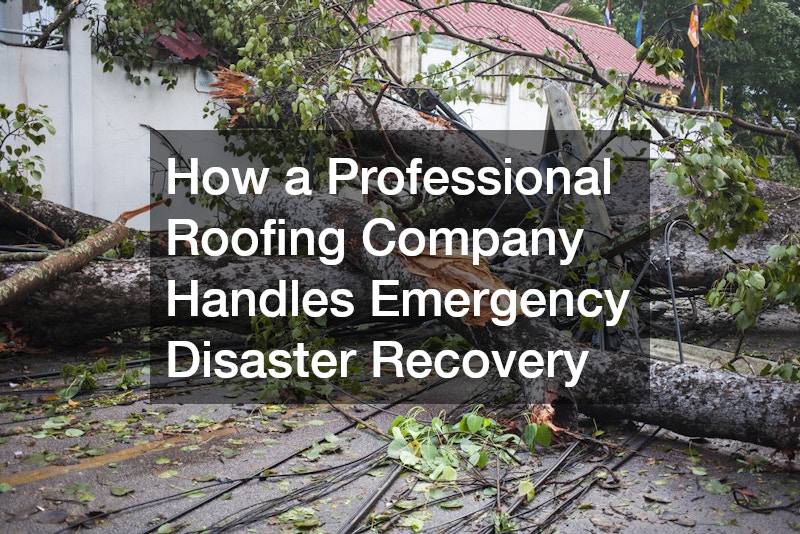
When a severe storm, a fallen tree, or a sudden fire hits your house, the damage can feel completely overwhelming. In just a matter of minutes, the safety and security you take for granted can be stripped away. The emotional toll of watching your property take serious damage is heavy enough, but the physical threat to your house is just beginning. Once your roof is compromised, your whole home becomes vulnerable to the elements. Property owners are often left wondering how they will ever rebuild what took a lifetime to create.
The first 24 to 48 hours after a major disaster strike are absolutely critical. This short window of time determines whether your home can be stabilized and saved, or if it will suffer from catastrophic secondary damage. Rain, wind, and wild animals can quickly enter an open roof, causing widespread mold growth, ruined drywall, and rotted ceiling joists. Understanding the precise framework that professionals use to secure and rebuild your property can help you stay calm, act fast, and make the right choices to protect your investment during a crisis.
Step 1: Immediate Triage and Securing the Perimeter
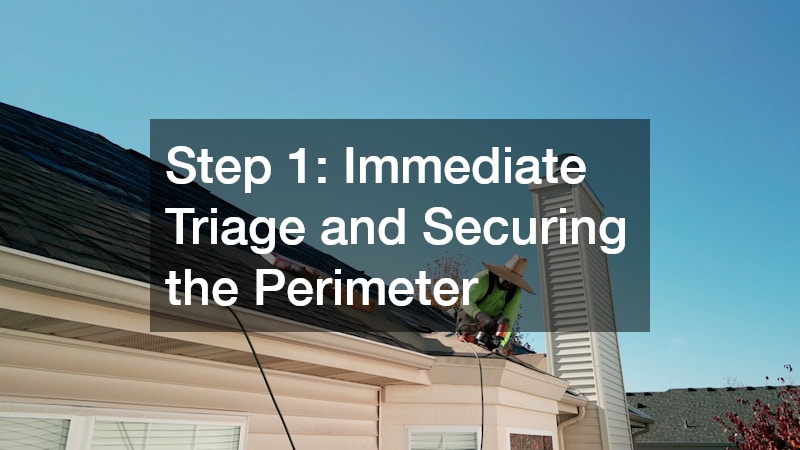
The very first phase of emergency disaster recovery is all about safety and stabilization. When a professional crew arrives at a damaged home, they do not just jump onto the roof with hammers. They first perform a thorough hazard assessment of the ground and the surrounding structure. They look for downed power lines, cracked tree branches dangling overhead, and unstable walls that could collapse under weight. Ensuring the area is safe for both the workers and the homeowners is always the top priority.
Once the area is deemed clear of immediate physical danger, the crew works rapidly to create a temporary weatherproof shield over your home. This process is often called emergency triage. The primary goal is to stop water from getting inside the house right away.
- Heavy-Duty Tarping: Crews use massive, commercial-grade tarps to cover holes caused by fallen trees or flying debris. These are not the cheap tarps you buy at a local hardware store; they are thick, tear-resistant covers designed to withstand high winds and heavy rain for weeks if necessary.
- Structural Board-Up: If a tree has crashed through a section of the house, workers will use thick plywood to board up broken windows, damaged soffits, and gaping holes in the walls.
- Secure Fastening: Instead of just nailing tarps down, which can rip free in the next gust of wind, professionals use wooden furring strips to anchor the edges tightly against the remaining structural elements.
This rapid response acts as a vital shield against secondary water intrusion. While you wait for a sunny day and a permanent repair plan, this temporary cover stops mold from taking over your living spaces. When your home is actively leaking, you need a trained roofer who knows how to navigate a slippery, broken surface without causing further structural damage. They will inspect the exposed decking underneath the torn shingles to see if the protective undercoating is still intact or if the wood underneath has started to absorb water and soften. Getting these temporary protections in place correctly buys you the time you need to handle the logistics of a permanent rebuild.
Step 2: Navigating the Complexities of Insurance and Inspections
Once your home is temporarily protected from further rainfall, the focus shifts to the financial and legal steps required to fund your restoration. Navigating an insurance claim after a major disaster can feel like learning a completely foreign language, especially when you are stressed about the state of your property. Professional teams do a lot more than just physical labor; they act as your guide through the complicated world of insurance adjustments.
The process begins with meticulous documentation. Before any debris is permanently cleared or any broken structural pieces are altered, the team will take hundreds of high-resolution photographs and videos. Many modern companies now use drone technology to capture aerial footage of hard-to-reach areas, ensuring that every cracked tile, split rafter, and missing piece of flashing is completely recorded. This evidence is vital when it comes time to submit your official claim.
- Detailed Estimates: Professionals use standard industry software to create line-by-line estimates that insurance adjusters can easily read and verify.
- Identifying Hidden Costs: An experienced eye can spot structural issues, like water marks inside the attic walls, that an insurance adjuster might miss during a quick walk-through.
- Supplementation: If additional damage is uncovered later during the teardown process, the team will submit supplemental reports to the insurance company to ensure those hidden repairs are paid for.
During a widespread natural disaster, like a major hail storm or a tornado, out-of-state workers often flood the area looking for quick cash. It is vital to protect yourself from these scams by partnering with an established local roofing company that has deep roots in your community. These businesses care about their long-term reputation and will still be around to honor their workmanship warranties years down the road. Vetted roofing contractors know how to speak the same technical language as insurance adjusters, which helps streamline the approval process so your permanent repairs can begin without long, frustrating delays.
Step 3: Coordinating Specialized Fire and Structural Rebuilding
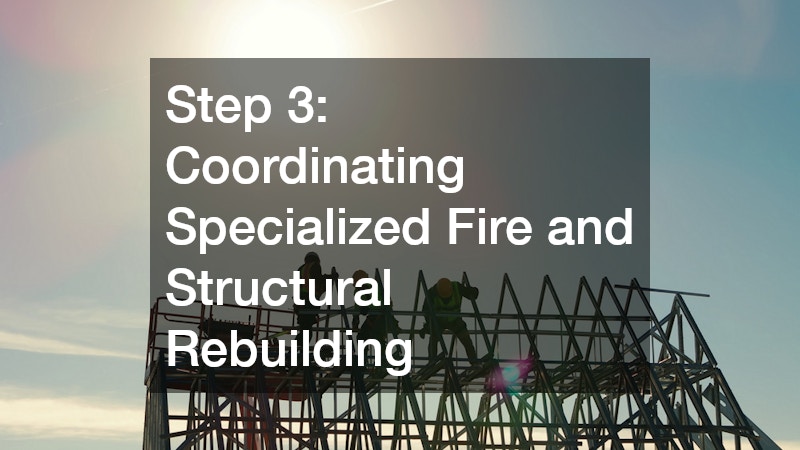
While severe windstorms are incredibly common, house fires present a completely unique and devastating set of challenges for a home’s exterior defense system. When a fire breaks out, the damage is not just limited to the areas touched by open flames. The intense heat generated by a house fire can cause structural lumber to warp, crack, and lose its load-bearing capacity. Additionally, the thousands of gallons of water used by firefighters to put out the blaze can cause immediate wood swelling and rot if it is not addressed quickly.
Rebuilding after a fire requires a specialized, highly coordinated approach. The roof structure cannot simply be patched up with new shingles if the rafters beneath them have been weakened by extreme heat or charring.
- Assessing Thermal Shock: High heat can cause concrete tiles to crack and metal panels to warp, meaning large sections often must be completely removed, even if they look fine from the ground.
- Replacing Compromised Sheathing: The plywood decking that sits underneath your shingles must be perfectly strong. If smoke or fire has damaged the glue holding the plywood layers together, the wood will delaminate and fail.
- Smoke Odor Encapsulation: Before any new insulation or drywall goes into the attic space, the remaining wooden framing must be treated with special sealing primers to lock in smoky odors permanently.
When a home suffers a serious blaze, structural rebuilding must be tightly synchronized with specialized fire damage restoration teams who handle the interior cleanup and soot removal. A professional roofing company will work hand-in-hand with these experts to make sure the house is sealed from the top down while the interior is being dried out and deodorized. This careful coordination ensures that soot and moisture are not trapped inside the walls, preventing future health hazards for your family.
In addition, it’s crucial to address any hidden damage that may not be immediately visible, as lingering odors or weakened structural elements can compromise the integrity of your home. Employing skilled professionals who understand the complexities of fire recovery can save you time and money in the long run. Ultimately, thorough restoration not only revitalizes your living space but also helps in restoring peace of mind for you and your loved ones.
Step 4: System Overhaul and Long-Term Weatherproofing
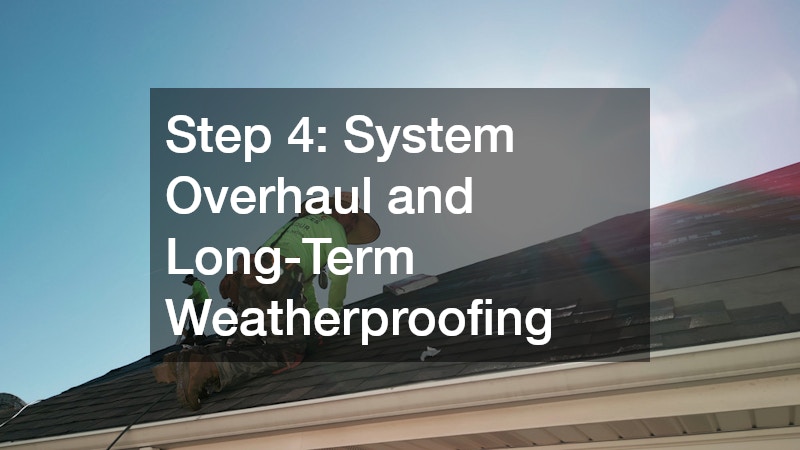
Once all the structural repairs are complete and the wooden frame of your roof is strong and stable, it is time to install the permanent exterior layers. This is the stage where your home transforms from a damaged disaster site back into a safe, beautiful place to live. Rather than simply putting things back exactly the way they were before, a disaster recovery project is actually the perfect opportunity to upgrade your home’s defenses against future severe weather.
Building codes and material technologies change over time. If your roof was ten or fifteen years old when the disaster happened, replacing it allows you to take advantage of modern engineering designed to withstand much tougher conditions.
- Impact-Resistant Shingles: Upgrading to shingles that have a high impact rating can protect your home from future hailstorms, often earning you a discount on your homeowner’s insurance premiums.
- High-Wind Underlayment: Modern synthetic underlayments are far stronger than the old felt paper used decades ago. They resist tearing and provide an extra layer of water protection even if shingles blow off.
- Advanced Ice and Water Barriers: Installing self-adhering waterproof membranes in critical areas like roof valleys and around chimneys stops water from backing up under the shingles during heavy winter freezes or torrential downpours.
Disaster recovery is the ideal time to upgrade your baseline roofing services to include these advanced weatherproofing techniques. Investing in premium roofing services ensures that every single weak point on your roof, from the metal flashing in the valleys to the rubber boots around your plumbing vents, is sealed with maximum precision. This complete system overhaul turns a negative event into a long-term investment, giving you peace of mind that your home is ready to face whatever the future brings.
Step 5: Restoring the Water Management System
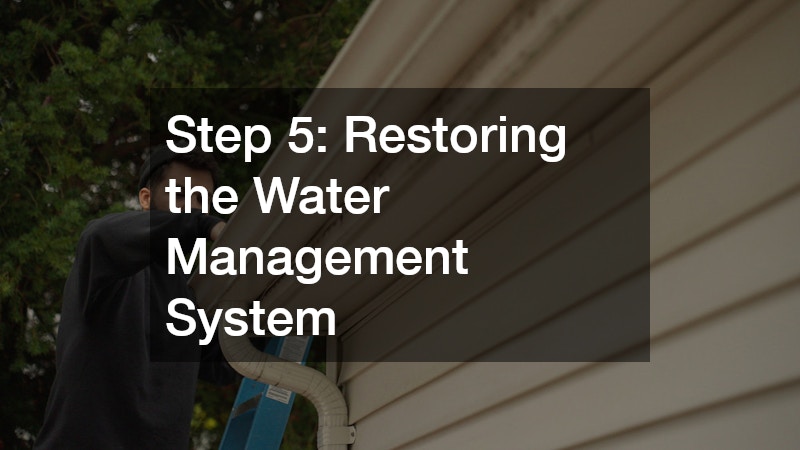
When people think about storm damage, they usually look straight at the shingles on top of the house. However, a roof cannot function properly without a fully operational water management system. Your gutters, downspouts, and fascia boards work together to direct thousands of gallons of rainwater safely away from your home. If a fallen tree or high winds crush your gutters, that water has nowhere to go. It will overflow, running straight down your siding and pooling around your foundation, which can lead to cracked basement walls and flooded crawlspaces.
During the final phase of emergency disaster recovery, a professional team will completely evaluate and restore this water drainage network. This step is just as important as replacing missing shingles.
- Seamless Upgrades: Replacing old, sectional gutters with modern seamless aluminum designs eliminates the joints where leaks and clogs usually start.
- Sizing for Heavy Rainfall: Upgrading from standard small gutters to wider styles allows your system to handle torrential downpours without overflowing over the sides.
- Fascia Inspection: Before any new gutters are attached to the house, the wooden boards behind them must be checked for rot and replaced if they have softened by stormwater.
Working with an integrated gutter contractor ensures your fascia boards are inspected and replaced before the water system is mounted. Modern seamless gutter installations utilize heavy-duty hidden brackets rather than easily damaged spikes, making the entire system strong enough to handle heavy snow loads or intense summer downpours. By tying the roof replacement and the gutter system together into one coordinated project, professionals make sure that your home’s exterior works as a single, unified shield against water damage. Taking care of these elements at the same time prevents future leaks from ruining your brand-new shingles.
Additionally, investing in high-quality materials and installation techniques can significantly extend the life expectancy of your roof and gutters. Routine maintenance and timely inspections further empower homeowners to catch potential issues early, saving on costly repairs down the line. Ultimately, a well-executed installation not only enhances curb appeal but also boosts overall home value.
Conclusion
Watching your home suffer severe damage from a natural disaster or a sudden fire is one of the most stressful experiences a homeowner can go through. However, breaking the recovery process down into organized, logical steps can help you regain control of the situation. From the initial emergency tarping that keeps out the rain, to the complex paperwork of insurance claims, and finally to the structural rebuilding and water management installation, every phase serves a specific purpose in saving your property.
True disaster recovery is never about quickly throwing a patch over a visible leak. It is about taking a step back, evaluating the entire structure, and rebuilding a resilient defense system that will protect your family for decades to come. By relying on experienced professionals who understand how to handle both the physical repairs and the logistical challenges of a crisis, you can successfully transform a chaotic situation into a complete, high-quality restoration. You can look forward to a brighter, safer future under a roof that is built to last.