Understanding when a roof needs replacement is crucial for homeowners. In this article, we explore the most common questions and concerns related to roof replacement, providing you with a comprehensive guide to determine your roofing needs. Protecting your home from potential damage is essential, and knowing whether to repair or replace your roof can save you time and money in the long run.
Roofing is an integral part of your home’s structure, impacting overall insulation, energy efficiency, and property value. By staying informed, you can ensure that your roof remains in optimal condition, safeguarding your home for years to come.
When should I consider replacing my roof?
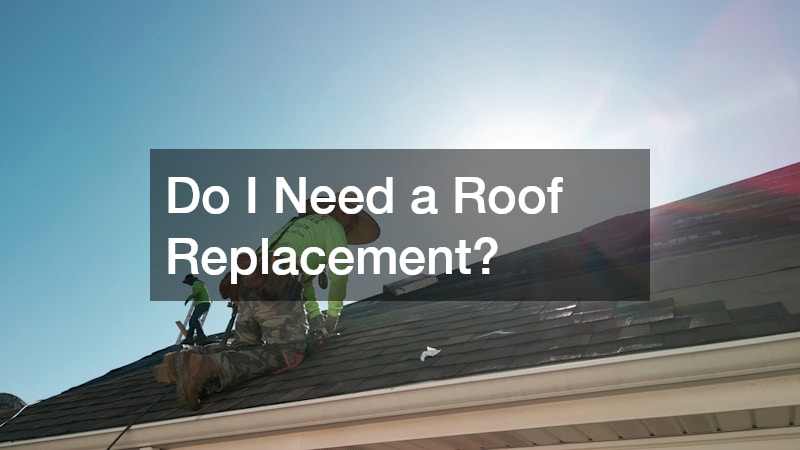
Deciding when to replace your roof often depends on its age and condition, as well as the type of materials used. Typically, roofs last between 20 to 30 years, but factors such as severe weather conditions can shorten this lifespan. If your roof has surpassed its expected duration, it might be time to consider a replacement to ensure continued protection for your home. Keep an eye on your neighbors as well; if they are replacing their roofs and you have a similarly aged home, it might be a signal that your roof’s time is nearing its end. Regular inspections can help identify when your roof’s performance starts to decline, indicating a need for replacement.
Another critical factor to consider is visible damage, such as missing or curling shingles, which can compromise your roof’s ability to shed water effectively. Leaks within your home are a clear sign that your roof may be failing and requires immediate attention. Additionally, the presence of algae, mold, or rot indicates moisture retention issues, which often necessitate replacing the roof entirely. Sometimes, the interior of your home can give clues to your roof’s condition; dark streaks on ceilings or water stains on walls point to potential leakage problems. Investing in a roof replacement at the right time prevents small issues from escalating into larger, more expensive repairs.
Financial considerations also play a significant role in the decision-making process for roof replacements. Although replacing a roof is an investment, delaying the replacement can result in higher costs due to structural damage or water infiltration. Many homeowners opt for a roof replacement to increase their property’s resale value, ensuring that they attain a better price if they decide to sell in the future. Furthermore, new roofing technology offers enhanced features, such as improved energy efficiency and superior insulation, which may reduce utility expenses. It’s essential to weigh the initial costs against the long-term benefits of installing a new roof to make a wise decision.
What are the signs that my roof is failing?
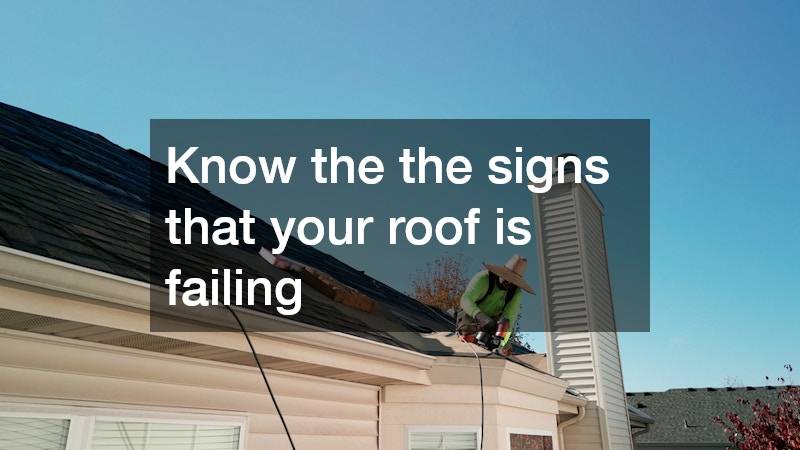
Recognizing the signs of a failing roof can prevent extensive damage and save money in the long term. One of the most apparent signs is the presence of leaks, which can be noticed through water stains on walls and ceilings or pooling water in your attic. These issues may indicate compromised underlayment or improper flashing installation. Missing shingles, often resulting from strong winds or severe storms, can leave your house vulnerable to water damage. Even if your roof appears to be in good condition from the ground, it’s always wise to have it inspected by a professional.
Other subtle indicators can signal that your roof might need replacement. Shingles that are cracked, curled, or blistered denote they are at the end of their lifecycle. Granule loss, evident when you notice many granules in your gutters or near downspouts, weakens your shingles, making them less effective against environmental elements. Pay attention to any sagging, as it could suggest structural issues within the attic, often due to prolonged exposure to water over time. Furthermore, lichens, moss, or fungi growing on your roof surface can be an indication of trapped moisture, which eventually damages your roofing material.
Consider monitoring changes in your home’s temperature regulation, as a deteriorating roof can affect your home’s energy efficiency. An increase in heating or cooling bills could be your first hint that there may be underlying problems with your roof, such as inadequate ventilation or insulation. Roofs that appear worn may not provide sufficient heat reflection, resulting in increased usage of heating and cooling systems to maintain comfortable temperatures inside your home. As these issues arise, a comprehensive assessment by a roofing professional can determine if a replacement is the best course of action.
How much does a roof replacement cost?
The cost of replacing a roof can vary widely depending on several factors, including the size of your home, the roofing materials chosen, and your geographic location. Typically, the expense ranges from $5,000 to $10,000 for an average-sized home. High-end materials, such as tile or slate, tend to increase the cost significantly compared to standard asphalt shingles. Additionally, if your roof needs structural repairs or reinforcement, expect an elevation in overall expenses. It’s beneficial to request multiple quotes from reputable contractors to ensure you’re receiving a competitive rate.
Labor costs also comprise a substantial portion of the total price for a roof replacement. Skilled labor ensures high-quality installation, which is crucial for the longevity and performance of your new roof. Alongside employing licensed professionals, it’s essential to verify the inclusions of their warranty and insurance coverage for both materials and workmanship. Depending on your budget, you might consider upgrades or additional features for your roof, like improved ventilation systems or energy-efficient shingles, which could be factored into the final cost. By planning and budgeting thusly, you can manage the financial aspect more comfortably.
Various strategies can help offset the cost of roof replacement. Some homeowners insurance policies may cover part of the expenses, especially if the damage resulted from specific types of natural events covered by the policy. Energy-efficient roofing materials might qualify for tax credits or rebates, contributing to long-term savings. Financing options are also available through many roofing contractors, allowing for manageable monthly payments, making the burden less immediate. While replacing a roof might seem daunting financially, proper planning and exploring available channels can make it a sound investment.
How long does a roof replacement take?
The duration of a roof replacement project is contingent on various factors, including the size and complexity of your roof, the type of materials being used, and weather conditions during the project. On average, a roof replacement for a typical residential home takes anywhere from two to five days to complete. However, inclement weather such as rain or high winds can delay progress, prolonging the timeline. The time needed for preparation, such as the removal of the old roof and necessary repairs to the roof deck, affects the overall duration as well.
Larger homes or roofs with intricate designs may require additional time, often extending the project across a week or more. Efficiency in completion also relies heavily on the size and expertise of the roofing crew. A well-coordinated team, experienced with the materials being installed, is more likely to meet or exceed time estimates while maintaining quality standards. Communication with your contractor about the expected timeline and any potential delays helps set realistic expectations and ensures a smooth process from start to finish.
Another aspect that can influence the timeline is the potential need for permits or inspections, which might be required by local authorities. Delays in obtaining these can inadvertently lengthen the timeframe. Homeowners can coordinate with their contractors in advance to expedite this process. By understanding the factors that affect the duration of a roof replacement, you can better prepare for the upcoming transition and plan accordingly for any disruptions to your daily routine.
What are the benefits of replacing an old roof?
Replacing an old roof offers numerous advantages that extend beyond the immediate visual improvement. A new roof enhances your home’s curb appeal, making it more appealing to prospective buyers should you decide to sell in the future. This is especially valuable, as a roof in good condition can significantly increase your property’s resale value. Modern roofing materials often come with advanced features, such as built-in resistance to fading, staining, and moss growth, contributing to its longevity. By investing in high-quality materials, you can also reduce maintenance requirements in the long term.
Enhanced energy efficiency is another significant benefit of a roof replacement. New roofing options often provide better insulation and ventilation, which helps regulate indoor temperatures year-round. This enhancement can result in lower heating and cooling costs, ultimately offering substantial savings over time. Choosing environmentally-friendly materials, like cool roofs designed to reflect more sunlight and absorb less heat, can further improve your home’s efficiency. Moreover, some eco-friendly roof materials are manufactured using recycled content, aligning with sustainable living practices.
In terms of structural integrity, a new roof can protect your home more effectively against extreme weather conditions. Technological advancements in roofing materials have led to products specifically designed to endure harsh environments, such as high winds, heavy rain, or hail. These weather-resistant features not only help protect your home but also ensure the safety of its inhabitants. Replacing an old roof with such materials provides peace of mind knowing that your home is well-equipped to withstand potential climate challenges. Overall, a roof replacement is a proactive approach to maintaining your home’s structural health and increasing its overall value.
Deciding whether to replace your roof involves careful consideration of various factors. By addressing common concerns and understanding the signs of roof failure, you can make an informed decision that ensures the safety, efficiency, and value of your home. Investing in regular roof inspections and understanding the benefits of modern roofing materials provides you with the tools necessary to make sound choices regarding your roof’s condition. Always consult with trusted professionals to gather comprehensive insights about the current state of your roof and the most advantageous options for replacement. Ultimately, taking proactive measures to replace your roof ensures your home remains a safe, efficient, and valuable asset for years to come.