
Owning or managing a property means dealing with repairs—it’s not a question of if, but when. What often catches homeowners off guard is not the repair itself, but how one issue triggers another when systems are interconnected. A leaking component might damage finishes, a failing mechanical system may stress another, or poorly timed exterior work can undo recent interior improvements. When repairs are handled one at a time without a larger plan, costs increase, timelines stretch, and frustration grows.
Another overlooked factor is the emotional and mental strain repairs create. Emergency calls, rushed decisions, and repeated disruptions quickly lead to fatigue. Over time, this reactive cycle encourages postponement, which only worsens damage and increases long-term costs. Coordination replaces urgency with intention, allowing repairs to be scheduled around life instead of interrupting it.
In many cases, the biggest challenges aren’t technical—they’re organizational. Without a clear plan, homeowners may hire multiple professionals independently, address symptoms instead of causes, or repeat work that could have been avoided with better sequencing. These missteps don’t just affect budgets; they also impact comfort, safety, and peace of mind.
A coordinated approach doesn’t mean fixing everything at once. It means understanding dependencies, timing work strategically, and making informed decisions that benefit the property as a whole. When repairs are planned with the full picture in mind, each improvement strengthens the next, creating a more resilient and manageable property over time.
Create a Whole-Property Repair Inventory Before You Call Anyone

The most effective repair coordination begins before the first phone call is made. Focusing only on the most obvious problem often leads to missed opportunities for efficiency and prevention. A complete repair inventory provides clarity and helps prioritize work logically.
Document each major system’s age, condition, repair history, and performance issues. Mechanical systems deserve particular attention because they tend to fail within similar timeframes. Coordinating water heater repair with furnace repair, for example, can reduce service visits and prevent one stressed system from overcompensating for another.
Beyond identifying issues, an inventory reveals patterns. Repeated small fixes in the same area often indicate deeper problems that haven’t been addressed. This record also improves contractor conversations by providing context that leads to better recommendations. It also supports better decision-making when timelines or budgets are tight, helping you choose solutions that address root causes instead of temporary symptoms. Over time, this level of documentation turns guesswork into strategy and gives property owners a clearer sense of control over both current needs and future planning.
An effective inventory should include:
- Installation dates and estimated lifespans
- Records of recurring issues
- Photos, service reports, and inspection notes
- Safety or compliance concerns
- Updates after every completed repair
Over time, this becomes a living document that supports smarter planning and stronger resale credibility.
Align Exterior Projects to Avoid Redundant Labor
Exterior systems function as a protective envelope, and repairs often overlap more than expected. Roofing, siding, trim, and moisture barriers share attachment points and exposure risks. Addressing one without considering the others can lead to repeated labor or damage to recently completed work.
For example, roof repair may temporarily stop a leak, but moisture problems can persist if wall components remain compromised. Hiring a siding company before addressing overhead vulnerabilities can result in crews removing new materials to fix underlying issues.
Coordination improves safety, efficiency, and aesthetics. It reduces site congestion, prevents accidental damage, and ensures materials and finishes remain consistent.
Smart exterior coordination includes:
- Inspecting all exterior surfaces together
- Scheduling high-risk repairs before cosmetic work
- Identifying shared components like flashing
- Planning access routes and staging areas
- Grouping work to reduce setup and teardown costs
When exterior repairs support one another, the result is longer-lasting protection and cleaner outcomes.
Plan Major System Upgrades Together, Not in Isolation
Mechanical systems rarely operate independently. Heating, cooling, and hot water systems often share electrical capacity, ventilation paths, and physical space. Planning upgrades in isolation increases the risk of conflicts and rework.
When planning water heater installation, it’s essential to evaluate how it interacts with surrounding systems. Consulting a local HVAC company early helps identify clearance issues, load requirements, and ventilation needs before work begins.
Coordinated planning also improves efficiency and compliance. Systems designed together tend to perform better, meet current standards, and allow easier future maintenance.
Benefits of coordinated system upgrades include:
- Fewer structural openings
- Shared permits and inspections
- Improved efficiency and airflow balance
- Reduced labor overlap
- Easier future access for service
Treating upgrades as part of a system rather than individual fixes prevents costly missteps.
Manage Roofing Projects Strategically Across the Property

Roofing decisions affect nearly every part of a structure. Moisture, heat, and airflow all depend on how well the roof integrates with insulation, ventilation, and drainage systems.
While repeated patching may seem economical, full roof installation is often more cost-effective when materials age uniformly. A local roofer can assess whether repairs are extending lifespan meaningfully or simply postponing replacement.
Strategic planning also reduces disruption. Roofing work impacts access, staging, and interior protection. Aligning it with other projects minimizes repeated interference.
Effective roofing coordination includes:
- Scheduling roofing before interior renovations
- Aligning attic and ventilation work
- Planning material staging to avoid congestion
- Accounting for seasonal weather patterns
- Reviewing warranties and documentation upfront
Well-timed roofing protects everything beneath it and prevents cascading damage.
Coordinate Plumbing and Surface Repairs for Long-Term Durability
Plumbing repairs often require access beneath finished surfaces. Restoring those surfaces too early nearly guarantees future damage and added expense.
Before resurfacing driveways or walkways, plumbers should evaluate underground lines to identify potential issues. Completing blacktop repair before subsurface work is finalized often leads to premature demolition.
Coordination preserves warranties, prevents rework, and improves safety by documenting underground system locations.
Best practices include:
- Inspecting underground systems before restoration
- Completing invasive work first
- Allowing settling and curing time
- Restoring surfaces last
- Documenting pipe locations for future reference
Surface repairs should reflect completed structural work, not precede it.
Build a Repair Timeline That Accounts for Permits, Weather, and Access
Even well-planned repairs fail without realistic scheduling. Permits, inspections, weather delays, and access restrictions often cause more disruption than the work itself. When these factors aren’t accounted for early, minor setbacks can quickly compound into major delays that affect multiple projects at once.
A master timeline creates accountability and prevents cascading delays. It also allows occupants to plan around disruptions instead of being surprised by them. Knowing when utilities may be interrupted, access may be limited, or noise will occur helps reduce frustration and improve cooperation from everyone involved.
A realistic timeline should also include buffer periods to absorb unexpected changes without derailing the entire plan. Contractors work more efficiently when schedules are clear and achievable, and inspections are easier to coordinate when deadlines aren’t overly compressed. Revisiting the timeline regularly is just as important as creating it—conditions change, priorities shift, and new information may emerge once work begins. Treating the schedule as a flexible guide rather than a rigid rulebook keeps repairs moving forward while reducing stress and confusion.
A strong timeline should account for:
- Permit and approval windows
- Inspection scheduling
- Seasonal conditions
- Access and occupancy needs
- Built-in buffer time
Review the timeline regularly and adjust as conditions change. Flexibility keeps projects moving without unnecessary stress.
Use One Repair to Inform the Next
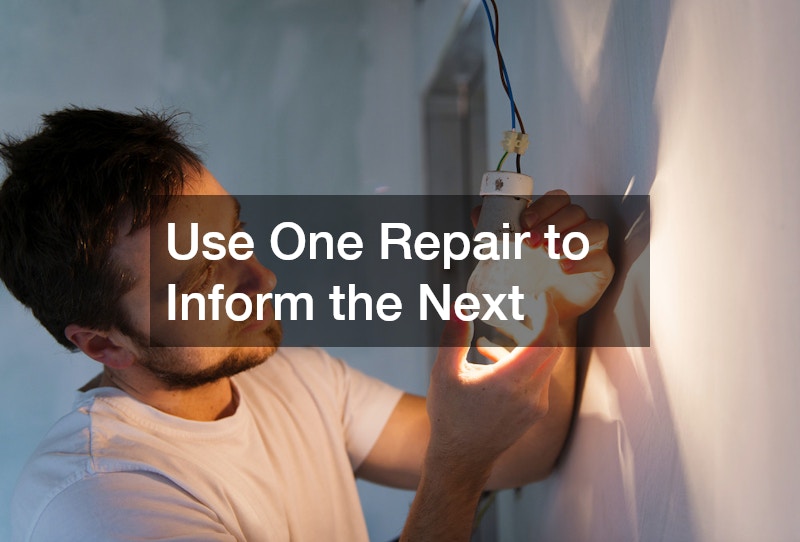
Every repair provides insight into the property’s overall condition. Contractors often notice early signs of wear that haven’t yet caused problems. Even minor repairs can reveal underlying issues that may affect other systems. For instance, a plumber addressing a slow drain may discover hidden pipe corrosion that could impact water pressure throughout the home, or a local roofer repairing a small leak may identify compromised flashing that could affect both roof installation and siding company work. Recognizing these connections helps property owners make informed decisions about subsequent repairs.
Capturing these observations helps shift from reactive fixes to proactive planning. Over time, patterns emerge that allow owners to anticipate failures instead of being surprised by them. Maintaining detailed repair records—including contractor notes, photos, and service reports—enables property owners to detect recurring problems, plan preventative maintenance, and optimize the timing of future work.
Using insights from one repair to guide the next can also save time and money. Coordinating related repairs, such as combining water heater installation with furnace repair, reduces repeat service visits and minimizes disruption. Additionally, understanding system interdependencies allows owners to prioritize tasks strategically, ensuring that smaller issues don’t escalate into costly emergencies. By connecting each repair to the broader property picture, homeowners gain clarity, control, and a proactive approach to long-term maintenance.
Ways to capture value from each repair:
- Ask contractors about nearby wear
- Document non-urgent observations
- Track recurring vulnerabilities
- Store insights with repair records
- Use findings to plan future work
This knowledge builds confidence and continuity across projects.
Budget Across Systems Instead of Project by Project
Project-by-project budgeting encourages short-term thinking and increases emergency spending. Focusing only on immediate repairs often leads to repeated expenditures on similar issues, missed opportunities for efficiency, and unexpected financial strain when multiple failures occur simultaneously. A system-based approach aligns spending with long-term priorities, allowing property owners to see how individual repairs fit into the bigger picture of property maintenance and improvement.
Holistic budgeting improves cost control, negotiation leverage, and financial predictability. By understanding the lifespan, interdependencies, and typical repair cycles of key systems—such as plumbing, roofing, HVAC, and exterior finishes—homeowners can plan expenditures more accurately. For example, combining water heater repair with water heater installation, furnace repair, or coordinating roof installation with siding company work can reduce labor costs and avoid redundant visits.
Advantages include:
- Better comparison of repair vs. replacement
- Smarter contingency planning
- Reduced financial shock
- Clearer long-term priorities
- Stronger documentation for resale
Budgeting strategically keeps repairs manageable rather than overwhelming.
Communicate Clearly With Multiple Contractors at Once
Coordination breaks down without clear communication. Misunderstandings about scope, timing, and responsibility are common when multiple contractors are involved.
Written communication improves accountability and reduces disputes. Consistency prevents confusion and keeps work moving efficiently.
Best communication practices include:
- Sharing a unified schedule
- Clarifying responsibility for overlap areas
- Documenting decisions and changes
- Assigning one decision-maker
- Addressing conflicts early
Clear expectations lead to smoother projects and better results.
Maintain the Property After Repairs Are Complete
Coordination doesn’t end when work is finished. Maintenance protects your investment and prevents future emergencies.
Organized records, routine check-ins, and performance monitoring keep systems operating efficiently.
Post-repair maintenance should include:
- Centralized storage of warranties and permits
- Scheduled inspections and service reminders
- Monitoring for performance changes
- Regular updates to the repair inventory
- Annual maintenance reviews
Consistent upkeep transforms repairs into long-term protection.
Coordinating repairs across an entire property requires a shift in mindset—from reacting to problems to planning strategically. When repairs are approached as interconnected decisions, outcomes improve across the board. Costs become more predictable, disruptions decrease, and long-term durability increases.
This system-based approach reduces stress and restores confidence. Instead of being caught off guard, property owners gain clarity and control. Over time, coordinated repair planning becomes second nature, turning maintenance into a manageable responsibility rather than an ongoing burden.
Beyond the practical benefits, this way of thinking changes how you relate to your property. Repairs stop feeling like constant interruptions and start to resemble structured projects with clear beginnings, endings, and goals. That mental shift alone can dramatically improve the ownership experience. When you know what needs attention, what can wait, and how different repairs affect one another, decisions feel deliberate rather than rushed.
Coordination also creates momentum. Each completed repair adds useful information, making the next decision easier and more informed. Over time, this builds a rhythm of maintenance that prevents small issues from escalating into emergencies. The property becomes more resilient because its systems are supported as a whole, not patched in isolation.
Perhaps most importantly, coordinated planning protects long-term value. Properties that are maintained thoughtfully tend to perform better, age more gracefully, and inspire confidence during inspections or future transitions. Whether you plan to own for decades or eventually pass the property on, a coordinated repair strategy ensures that today’s decisions support tomorrow’s outcomes.
Ultimately, effective repair coordination isn’t about perfection—it’s about intention. By stepping back, looking at the bigger picture, and planning with purpose, property owners can replace uncertainty with structure and transform maintenance from a source of frustration into a sustainable, confidence-building process.