
Designing an outdoor space is no longer just about placing a grill and a few chairs in the grass. Today’s homeowners want their yards to function as true extensions of their homes, supporting how they relax, entertain, and spend time with family. A well-thought-out plan makes all the difference, which is why developing a backyard blueprint before any work begins is so important. This blueprint becomes the guiding document that connects your ideas, your budget, and your long-term goals into one clear vision. Without it, projects can feel scattered, expensive, and frustrating as features get added or changed without a cohesive plan.
When you create a backyard blueprint that reflects your lifestyle, you are designing more than a physical space. You are building an environment that supports daily routines, hobbies, and moments of connection. Whether you want a quiet retreat for reading, a lively gathering place for friends, or a kid-friendly play area, your outdoor layout should be shaped by how you actually live. This approach helps prevent wasted space and ensures that every section of your yard has a purpose that aligns with what matters most to you.
Planning Zones for Relaxation, Play, and Entertaining
Dividing your yard into clear functional zones helps create a sense of order and purpose. Rather than one large, undefined space, zoning allows you to dedicate specific areas to different activities. A backyard blueprint that includes zones for lounging, dining, play, and gardening feels more organized and easier to use. Each section can be designed with its own features, materials, and atmosphere, while still flowing together as part of a cohesive whole.
Relaxation zones might include comfortable seating, shade structures, and calming elements such as water features or soft landscaping. These areas benefit from being slightly tucked away from high-traffic parts of the yard so they feel peaceful and private. Play areas, on the other hand, need open space, durable surfaces, and good visibility from the house. By placing them strategically, you can keep children safe while still allowing adults to relax nearby.

Choosing Plantings and Greenery That Fit Your Lifestyle
Plants play a powerful role in shaping the look and feel of a backyard. They can provide shade, create privacy, add color, and soften hard surfaces. However, the types of plants you choose should match both your aesthetic preferences and the amount of time you are willing to spend on maintenance. A backyard blueprint that accounts for these factors helps prevent frustration later when landscaping becomes too demanding or fails to thrive.
Some homeowners enjoy hands-on gardening and may want flower beds, vegetable patches, or ornamental trees that require regular care. Others prefer a low-maintenance landscape that looks good with minimal effort. Your blueprint should reflect this difference by selecting appropriate plant types and layouts. Native plants, for example, often need less water and care, making them ideal for busy households or those who want to reduce upkeep.
When sourcing plants, many people turn to a local garden center because it offers varieties that are well-suited to the climate and soil conditions of the area. These centers also guide spacing, watering, and seasonal care. Including plant choices in your backyard blueprint ensures that greenery supports the overall design instead of becoming an afterthought. Thoughtful planting can enhance shade, define borders, and create visual interest that evolves beautifully throughout the year.
Designing Hardscapes and Structural Features
Hardscapes such as patios, walkways, and decks provide the framework that holds your backyard together. These elements determine how people move through the space and where key activities take place. A backyard blueprint that carefully maps out these features ensures that the yard feels balanced, accessible, and visually appealing. Poorly planned hardscapes can make a yard feel cramped or disjointed, while well-designed ones create a natural flow between areas.
Decks are especially popular because they extend living space and create an elevated platform for dining or lounging. Working with experienced deck contractors helps ensure that the structure is safe, durable, and designed to complement the home. In the blueprint, decks should be placed where they connect easily to indoor spaces and take advantage of views or shade. Walkways and patios should guide movement smoothly without cutting awkwardly through green areas.
Hardscape materials also affect the look and maintenance of your yard. Stone, concrete, and wood each bring a different texture and style. By including these choices in the backyard blueprint, you can ensure that every surface works together visually. Thoughtful placement of structural features provides both function and beauty, turning the yard into a comfortable and inviting environment.
Selecting Surfaces That Balance Comfort and Durability
The surfaces you choose for your yard have a huge impact on how it feels underfoot and how it holds up over time. From grassy lawns to paved patios, each option comes with benefits and challenges. A backyard blueprint should clearly outline where different surfaces will be used and why. This prevents mismatched materials and helps ensure that high-traffic areas remain safe and comfortable.
Some homeowners prefer the look and feel of natural grass, while others want a cleaner, more consistent surface. Artificial turf flooring has become a popular choice for play areas, pet zones, and spaces where real grass struggles to grow. It provides a soft, green appearance without the need for mowing or watering. Including this option in the blueprint can be especially helpful for families who want a low-maintenance yet durable solution.
Other areas may require more solid surfaces, such as stone or concrete, to support furniture or cooking equipment. By planning these surfaces in advance, you avoid problems like poor drainage or uneven footing. When all materials are mapped out in the backyard blueprint, the final result feels cohesive and practical, supporting both daily use and long-term durability.
Managing Trees and Natural Shade Elements
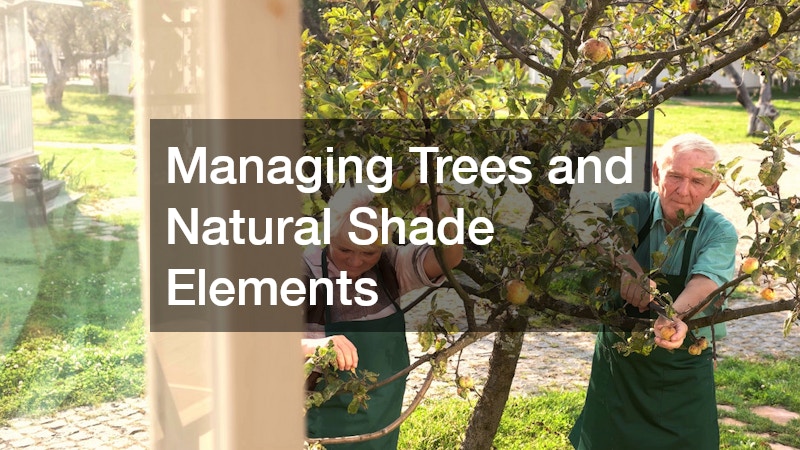
Trees are one of the most valuable features in any yard. They provide shade, improve air quality, and add a sense of maturity and beauty to the landscape. However, they also require care and thoughtful placement. A backyard blueprint should take existing trees into account and plan for how new ones will fit into the overall design. Ignoring this step can lead to overcrowding, root damage, or blocked views.
Working with a local tree service can help assess the health of current trees and recommend pruning, removal, or new plantings. This ensures that trees enhance the yard rather than creating hazards or maintenance headaches. In the blueprint, trees can be used to frame views, create shaded seating areas, or separate different zones of the yard.
Planning for trees also means thinking about how they will grow over time. A small sapling today could become a large canopy in a few years, affecting sunlight and space. By accounting for this growth in the backyard blueprint, you can avoid future conflicts with structures, gardens, or walkways. Thoughtful tree management adds lasting value and comfort to your outdoor space.
Planning for Water Use and Sustainability
Water is one of the most important resources in any landscape, and how it is managed can greatly affect both costs and environmental impact. A backyard blueprint should include a clear plan for watering lawns, gardens, and plant beds efficiently. Without this, homeowners may struggle with dry patches, overwatering, or high utility bills.
Many people choose to work with lawn irrigation companies to design systems that deliver water precisely where it is needed. These systems can be programmed to adjust for weather conditions and seasonal changes, reducing waste while keeping plants healthy. Including irrigation in the blueprint ensures that pipes, valves, and sprinkler heads are installed before hardscapes and plantings are completed, avoiding costly rework later.
Sustainability can also be built into the plan through features such as rain gardens, permeable surfaces, and drought-tolerant plants. These choices help manage runoff and reduce the need for constant watering. When your backyard blueprint incorporates smart water use, you create a landscape that is both beautiful and responsible, supporting long-term environmental and financial goals.
Organizing Construction and Cleanup Efficiently
Even the best designs require construction, and that process can be messy without proper planning. A backyard blueprint should outline not only what will be built but also how the work will be managed. This includes access points for equipment, staging areas for materials, and plans for waste removal. When these details are considered early, projects run more smoothly and with fewer disruptions.
During major renovations, roll off dumpsters are often used to handle debris from old patios, landscaping, or construction materials. Including this in the blueprint helps ensure there is a designated spot for waste that does not interfere with daily life or damage the yard. It also keeps the worksite safer and more organized.
Clear planning also allows different contractors to coordinate their efforts. When everyone understands the sequence of tasks, from demolition to final planting, delays and mistakes are minimized. A well-organized backyard blueprint turns what could be a chaotic process into a manageable, step-by-step transformation that stays on track.

Sourcing the Right Materials for Long-Term Success
The quality of materials used in your yard directly affects how long it will last and how it will look over time. A backyard blueprint should specify what materials will be used for structures, surfaces, and landscaping. This prevents last-minute substitutions that can compromise durability or appearance.
Working with a trusted building material supplier ensures access to products that meet both design and performance standards. From lumber for decks to stone for patios, the right materials provide stability and reduce the need for frequent repairs. Including these choices in the blueprint also helps with budgeting, as costs can be estimated more accurately when materials are selected in advance.
High-quality materials may cost more upfront, but they often save money in the long run by lasting longer and requiring less maintenance. When your backyard blueprint is built around reliable materials, the entire space benefits from greater resilience and a more polished, professional finish.
Adding Storage and Utility Structures
Outdoor storage is often overlooked, but it plays a crucial role in keeping a yard organized and functional. Tools, toys, and equipment need a place to go, and without proper storage, they can clutter the space. A backyard blueprint should include plans for sheds or other utility structures that blend with the overall design.
Professional shed builders can create custom structures that match the style of the home and yard. These sheds can be used for everything from lawn equipment to hobby supplies, freeing up garage space and keeping the yard tidy. By including storage in the blueprint, you avoid the temptation to add mismatched or poorly placed structures later.
Utility buildings can also serve multiple purposes, such as workshops or potting sheds for gardeners. Thoughtful placement ensures they are accessible without being an eyesore. When storage is integrated into the backyard blueprint, it supports both practicality and visual harmony.
Protecting Your Space from Unwanted Pests
A beautiful yard should be a place of comfort, not frustration. Pests can quickly turn an inviting outdoor area into an unpleasant one. A backyard blueprint should include strategies for preventing and managing insects, rodents, and other unwanted visitors. This might involve choosing certain plants, improving drainage, or planning for regular treatments.
Professional pest control services can assess risk factors and recommend solutions that are safe and effective. By planning these measures early, you can reduce the likelihood of infestations that damage plants or make outdoor areas unusable. Including pest management in the blueprint ensures that protective measures are applied at the right time, before problems arise.
Finishing Touches with Ground and Landscape Materials
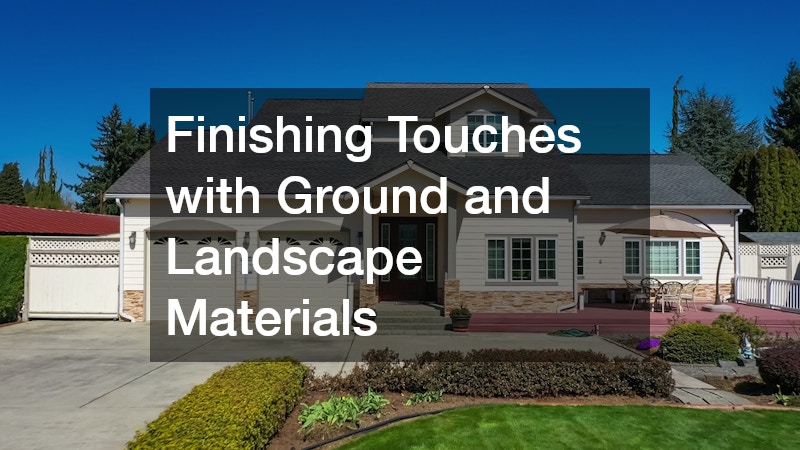
The final layers of your yard, such as sand, gravel, and soil, bring everything together. These materials support drainage, create smooth surfaces, and enhance the overall look of the landscape. A backyard blueprint should specify where and how these materials will be used to avoid uneven ground or erosion.
Working with a local sand supplier provides access to materials that are suited to regional conditions. Sand can be used for leveling patios, creating play areas, or improving soil structure in gardens. Including these details in the blueprint ensures that the foundation of your yard is solid and well-prepared for whatever features you add.
These finishing touches may seem small, but they have a big impact on comfort and appearance. When every layer is planned, the final result feels polished and intentional. A well-executed backyard blueprint brings together design, function, and craftsmanship into a space that truly matches your lifestyle.