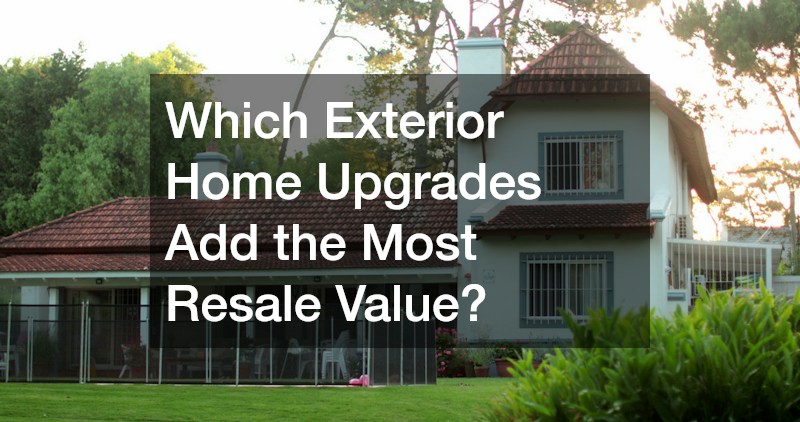
First impressions carry tremendous weight in residential real estate. Before prospective buyers ever step across your threshold to inspect granite countertops or hardwood flooring, they form an immediate opinion from the street. A home with crisp siding, a welcoming entryway, healthy turf, and well-maintained outdoor living spaces signals pride of ownership and suggests that the interior has been cared for with equal diligence. Conversely, peeling paint, patchy grass, sagging gutters, or a cracked walkway can trigger doubts about deferred maintenance and cause buyers to lower their offers—or drive away altogether.
Today’s homebuyers also view outdoor areas differently than they did a decade ago. Rather than treating the yard merely as a decorative buffer around the house, modern buyers look for functional, low-maintenance extensions of the indoor living footprint. Whether they are envisioning weekend barbecues on a stone patio, quiet mornings on a covered porch, or an easy-care yard that does not consume every Saturday afternoon, exterior features heavily influence both perceived value and final appraisal figures.
At the same time, not every outdoor project delivers the same financial return. Spending tens of thousands of dollars on an overly specialized feature can leave you recouping only a fraction of your costs at closing, whereas targeted structural and curb-appeal improvements routinely return 70% to over 100% of their initial investment. Understanding where to allocate your renovation budget ensures that you enhance your daily enjoyment of your property now while positioning your home to command top dollar when you decide to sell.
1. Upgrade Your Home’s Front Facade and Entryway
Your home’s front elevation sets the financial ceiling for buyer expectations. When exterior cladding looks weathered or outdated, appraisers and buyers immediately factor costly replacement work into their valuation. Refreshing the primary architectural surfaces of your home eliminates those objections upfront and creates a clean, modern aesthetic that stands out in listing photos.
Replacing aging vinyl or wood siding with fiber-cement or engineered wood panels consistently ranks among the highest-returning exterior renovations nationwide. Fiber-cement siding resists rot, termites, warping, and severe weather while holding paint far longer than traditional wood lap siding. If your existing siding remains structurally sound, applying a fresh coat of exterior paint in a timeless neutral palette—paired with contrasting trim—can still deliver a dramatic visual lift at a lower price point.
Upgrading your primary entry points provides another high-impact return without requiring a full exterior overhaul:
- Install a steel or fiberglass entry door: Replacing a dented, drafty front door with an insulated steel or wood-grain fiberglass unit delivers one of the highest cost-recouped percentages in residential remodeling. Adding sidelights or decorative glass inserts brings natural light into the foyer while strengthening front-door security.
- Replace an outdated garage door: Because garage doors often account for 30% or more of a home’s front-facing square footage, swapping an old, uninsulated panel door for a modern carriage-style or flush-panel insulated model instantly updates the entire facade.
- Refresh architectural trim, shutters, and hardware: Installing rot-resistant PVC trim boards, properly sized shutters, modern house numbers, and cohesive matte-black or brushed-brass door hardware sharpens exterior lines and ties the front elevation together.
- Upgrade exterior lighting fixtures: Replacing tarnished sconces with scaled, warm-LED lanterns flanking the front door and garage enhances evening curb appeal and makes pathways safer for guests and evening showings.
Beyond aesthetics, a well-sealed exterior envelope protects your home’s underlying framing and insulation from water intrusion. Demonstrating consistent home care through clean gutters, intact window caulking, and fresh exterior paint reassures buyers that hidden moisture damage isn’t lurking behind the walls. That peace of mind also smooths the financing process, as properties free of peeling paint, exposed wood, or roof defects satisfy strict appraisal standards and help buyers close smoothly on their home loan without lender-mandated repair holdbacks.
2. Build Functional Outdoor Living Spaces and Patios

Once buyers step into the backyard, they want to see usable, well-defined areas where they can relax and entertain. Empty, sloped, or unimproved yards force buyers to imagine the time and expense required to make the space livable, whereas finished outdoor living zones allow them to picture themselves hosting family gatherings from day one.
Adding durable hardscape elements—such as an interlocking paver patio, natural flagstone terrace, or mortared stone retaining wall—creates permanent, weather-resistant outdoor rooms that require minimal upkeep. Unlike poured concrete slabs that frequently crack and heave during freeze-thaw cycles, modular concrete pavers and natural stone flex slightly with soil movement and can be repaired individually if a stone ever settles or stains. Incorporating built-in seating walls or a stone fire pit anchors the patio visually and defines traffic flow without cluttering the yard with bulky furniture.
For homes with elevated back doors or sloped lots, a well-built deck offers an equally compelling return on investment:
- Choose capped composite decking over pressure-treated lumber: While wood decks carry a lower upfront material cost, buyers increasingly favor capped composite boards because they resist splintering, fading, cupping, and mold without requiring annual sanding and staining.
- Add overhead shade structures: Installing a cedar pergola, louvered aluminum canopy, or solid roof extension over a portion of the deck or patio shields outdoor seating from harsh afternoon sun and light rain, effectively extending the usable season by several months.
- Incorporate outdoor cooking and task lighting: Running dedicated gas or electrical lines for a built-in grill island, under-counter beverage fridge, and low-voltage step and post lighting elevates a basic patio into a high-end entertaining destination.
- Ensure code-compliant railings and stairs: Updating wobbly wood balusters with sleek aluminum or cable railings opens up backyard sightlines while meeting modern safety codes during home inspections.
If you are considering adding a swimming pool to boost resale value, weigh your local climate and neighborhood norms carefully before breaking ground. Consulting an experienced pool builder early in the planning phase helps you evaluate lot setbacks, soil conditions, fencing requirements, and long-term operating expenses. In warm, year-round sunbelt markets, an in-ground pool can be a major selling point that differentiates your home from competing listings; in cooler northern regions with shorter swim seasons, however, pools rarely recoup their full installation cost and can occasionally narrow your buyer pool among families concerned about maintenance or safety.
3. Refresh Your Lawn and Planting Beds for Instant Curb Appeal
Even the most impressive architectural upgrades fall flat if the surrounding yard looks neglected, overgrown, or patchy. Lush greenery and structured planting beds soften hard architectural lines, frame your home’s front facade, and create an inviting sense of arrival that resonates emotionally with buyers.
Thoughtful landscape design focuses on proportion, year-round color, and manageable upkeep rather than cramming dozens of high-maintenance plants into narrow beds. Placing taller evergreen shrubs at the corners of the house anchors the building visually, while layered mid-sized perennials and low-growing ground covers beneath front windows add depth without blocking natural light or obscuring architectural details. Grouping plants with similar sunlight and watering requirements also ensures that beds thrive evenly throughout the year.
When preparing a property for sale—or simply upgrading an aging yard—targeting visible turf and drainage flaws yields rapid visual dividends:
- Replace thin, weed-choked grass with fresh turf: Bare dirt spots and crabgrass immediately signal neglect to prospective buyers. Hiring professional sod installers transforms a patchy yard into a dense, emerald carpet in a single day, sparing you the months of watering, overseeding, and weed battles required to establish grass from seed.
- Select drought-tolerant native species: Incorporating regionally adapted ornamental grasses, pollinator-friendly perennials, and hardy shrubs reduces summer irrigation bills and appeals to eco-conscious buyers looking for resilient yards.
Healthy, well-proportioned landscaping continues appreciating over time as trees and shrubs mature. Unlike interior decor trends that can look dated within a few years, established shade trees and clean foundation plantings remain universally appealing across every market cycle.
4. Streamline Yard Cleanup and Ground Cover Finishing
Before installing new plants, edging, or outdoor structures, clearing away accumulated yard clutter and overgrown vegetation is essential. Over the years, dead shrubs, fallen branches, rotting landscape timbers, and leftover construction scraps quietly encroach on usable yard space, making lots feel smaller and darker than they actually are.
Tackling a comprehensive exterior cleanout generates far more debris than standard municipal curbside bins can handle. Arranging local dumpster rentals prior to starting demolition or heavy pruning allows you to load brush, old fencing, broken pavers, and torn-out decking directly into a roll-off container as you work. Keeping debris contained in one designated spot prevents unsightly piles from killing healthy grass, protects driveway surfaces, and keeps your project moving smoothly from one phase to the next.
Once the yard is cleared and beds are freshly edged, finishing surfaces properly locks in that clean look while cutting down ongoing maintenance:
- Apply a fresh layer of ground cover: Ordering bulk mulch in shredded hardwood, cedar, or pine bark—rather than hauling dozens of individual plastic bags—saves money and provides uniform color across all planting beds. Applying a two-to-three-inch layer suppresses weed germination, moderates soil temperature, retains root moisture, and creates rich visual contrast against green foliage and light-colored siding.
- Prune overgrown trees and foundation shrubs: Trimming deadwood and raising low tree canopies opens up sightlines to your home’s front elevation, allows sunlight to reach shaded lawn areas, and prevents overhanging branches from scraping roof shingles during windstorms.
- Pressure-wash hard surfaces: Cleaning algae, moss, and oil stains from concrete driveways, brick walkways, retaining walls, and vinyl fencing restores original surface brightness in a single afternoon.
- Remove obsolete yard structures: Dismantling rusted swing sets, leaning sheds, or unused above-ground planters reclaims open lawn space and helps buyers visualize how they can customize the yard for their own needs.
Clean sightlines and fresh ground cover create the impression of an effortless, move-in-ready exterior. When beds are neatly mulched and walkways are spotless, buyers spend their showing time admiring your home’s best features instead of mentally calculating cleanup costs.
5. Protect Essential Exterior Utilities and Mechanical Systems
While cosmetic upgrades capture a buyer’s attention at the curb, the condition of your home’s exterior mechanical and weatherproofing systems determines whether the sale survives the home inspection. Savvy buyers and licensed inspectors closely examine roofs, drainage systems, windows, and water supply equipment because failures in these areas carry steep, immediate replacement bills.
For suburban, acreage, and rural homes that rely on private groundwater rather than municipal water mains, water system reliability is non-negotiable. Scheduling proactive well pump repair, pressure tank testing, and comprehensive water quality screening before listing your home prevents sudden pressure drops or failed lender water tests during escrow. Replacing a worn pressure switch, corroded check valve, or aging submersible pump ahead of time—and keeping service receipts on file—demonstrates that the property’s core infrastructure is dependable.
6. Plan Your Renovation Timeline, Logistics, and Budget

Even high-ROI exterior upgrades can lose value if poor sequencing forces contractors to redo finished work or causes costs to spiral out of control. Approaching your exterior renovation with a clear step-by-step schedule keeps trades coordinated, protects newly installed materials, and preserves your profit margin.
Always sequence outdoor projects from the top down and from heavy structural work to delicate cosmetic finishes. Roof replacements, siding installations, window swaps, and rough utility trenching should happen first while heavy ladders, lifts, and material deliveries are moving around the perimeter. Patio excavation, retaining walls, and drainage grading come next, followed by sod installation, shrub planting, and final mulching once heavy equipment has left the site.
Following practical project-management habits keeps your timeline and budget on track:
- Gather three itemized bids for major trades: Comparing detailed written proposals—covering material specifications, sub-base depth, flashing details, disposal fees, and warranty terms—helps you spot cut corners and choose reliable contractors.
- Protect pets and household routines during construction: Exterior remodeling involves open gates, loud air compressors, falling debris, and stray fasteners that pose hazards to curious animals. Arranging daytime dog boarding during noisy roof tear-offs, siding demolition, or heavy equipment work keeps your pets calm, safe, and out of harm’s way while crews focus on efficiency.
- Set aside a 10% to 15% contingency reserve: Hidden wood rot behind old trim, unexpected bedrock during patio excavation, or updated municipal permit requirements can surface once work begins. Having a dedicated reserve prevents mid-project stalls.
- Verify local permits and HOA guidelines upfront: Confirming setback rules, impervious surface limits, and approved exterior color palettes before ordering materials avoids costly fines or forced tear-outs.
Careful planning turns a potentially disruptive remodel into a smooth, predictable investment. Documenting warranties, permits, and before-and-after photos along the way also provides valuable marketing material when it is time to list your home.
Before hiring contractors, walk your property perimeter with a critical buyer’s eye and list the worn, dated, or unfinished areas that stand out first. Prioritize weatherproofing and structural repairs at the top of your checklist, sequence heavy construction ahead of landscaping, and gather itemized quotes so every dollar works toward both daily comfort and long-term equity. Thoughtful exterior improvements reward you twice: they elevate how you live in your home today and deliver measurable financial returns when you are ready for your next chapter.